
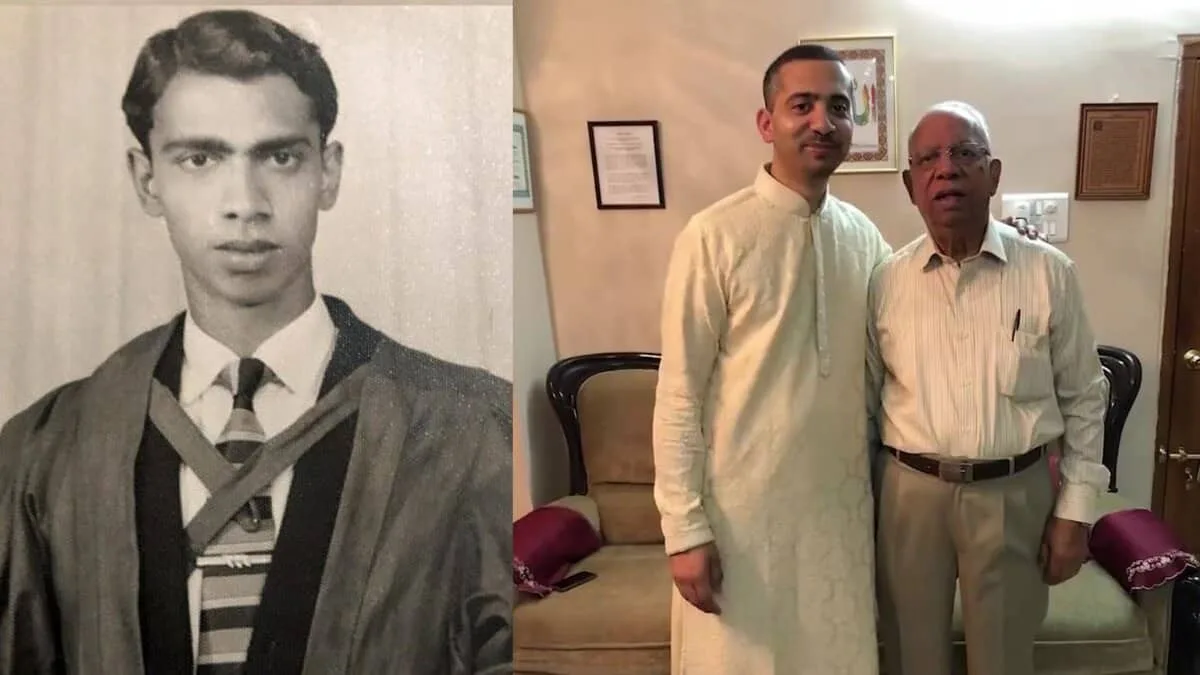
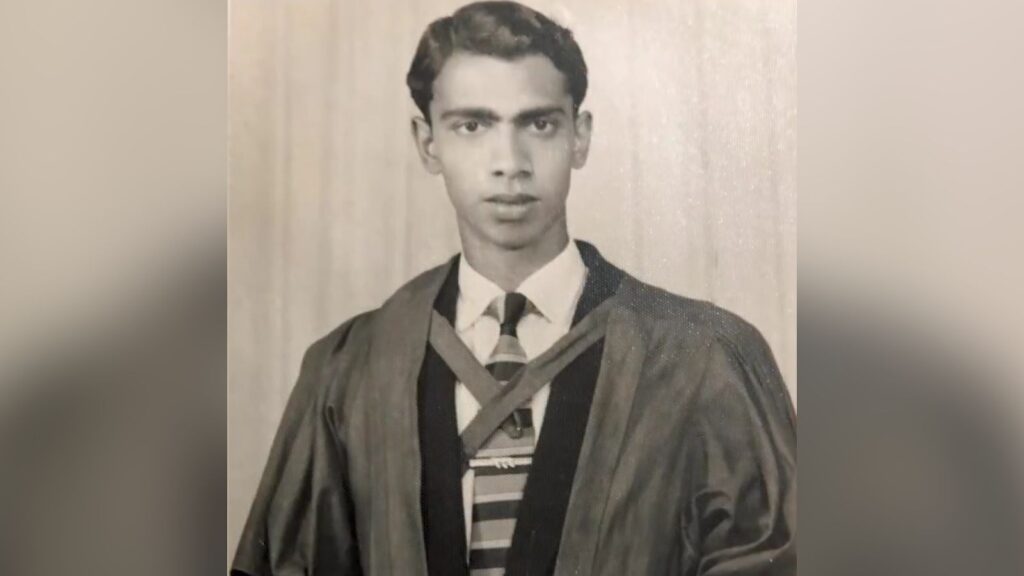
London/Hyderabad: Mohd Riaz Hasan, a United Nations consultant and hydrologist who spent more than two decades dedicated to global water security through the Food and Agriculture Organisation (FAO), passed away peacefully in London in November last year at the age of 87. His life spanned continents, cultures, and generations — defined by professional excellence, unwavering family devotion, an unshakeable belief in the power of knowledge and action, and service to others.
Born in Warangal, Riaz was the son of Mohammed Suleiman, an English professor whose home overflowed with Allama Iqbal’s poetry. When his father passed away, his older brother Mohd Mehboob Ali stepped in, devoting 20 years to raising and educating Riaz and his brothers Mahmud-ul Hasan and Tajammul Hussain.

Mehboob Ali lived by Iqbal’s line: “Mai uska banda banoonga jisko Khuda kay bandon say pyar hoga (I will be his servant who loves God’s servants).
Riaz absorbed this ethic of service into his very bones.
UN Years: Water, Development and Global Service
Armed with degrees in civil engineering from Osmania University and the University of Bradford, Riaz brought both technical expertise and intellectual depth to water resource management. As an FAO hydrologist, he worked years across developing nations from Yemen to Sudan, advancing agricultural sustainability and water security for countless communities.
But he was not just an engineer. Riaz was also a writer, with letters published in British newspapers like The Guardian and The Independent, and articles in Indian publications including The Hindu, Deccan Chronicle, and the Urdu Daily Siasat. He even authored a book: The New Struggles for Survival.
Whether designing irrigation systems or writing articles, his goal remained constant: helping people.
Colleagues remember him as meticulous and compassionate, someone who could sit in UN conference rooms and walk through remote villages with equal comfort, always translating complex technical challenges into practical solutions.
Guardian and Father Figure
Riaz Hasan’s greatest legacy was measured not in water tables but in the lives he shaped through love. When Mehboob Ali passed away, Riaz became the legal guardian to their young children, following the pattern set by his older brother a generation earlier.
“He was like a father to my sister and me,” recalls Taqi Hasan, now a Silicon Valley entrepreneur and father of three. “To us, he was far more than an uncle. When my parents passed away, he stepped into our lives with the heart of a father and filled a void that could never truly be filled. He showed me what it meant to take care of family, take responsibility, and carry forward the values that had been passed down from my grandfather through his brothers.”
The Voice of Iqbal
Throughout his life, Riaz was a devoted admirer of Allama Muhammad Iqbal, the poet-philosopher whose verses promoted self-realisation and service to humanity. Friends and family recall how he would recite Iqbal’s poetry as both spiritual guidance and practical wisdom.
Khudi ko kar buland itna ke har taqdeer se pehle
Khuda bande se khud pooche, bata teri raza kya hai
Which translates to: Raise yourself to such heights that before every decree of destiny, God Himself asks you: Tell me, what is your wish?)
This couplet captured Riaz’s philosophy: take agency in life while remaining humble before God.
He also embodied Iqbal’s insight
Ilm mein bhi suroor hai lekin
Yeh woh jannat hai jis mein hoor nahin
Meaning: There is ecstasy in knowledge too, but this is that paradise which has no heavenly maidens.
For Riaz, knowledge was never an end in itself—it was a tool for service, deployed to uplift others.
A proud Indian immigrant and British citizen
Riaz’s journey from Hyderabad to London embodied the best of what migration can mean. As his son Mehdi Hasan—the renowned journalist and founder of Zeteo—said, his father was “a proud Indian immigrant to the UK, but also a very proud British citizen.”
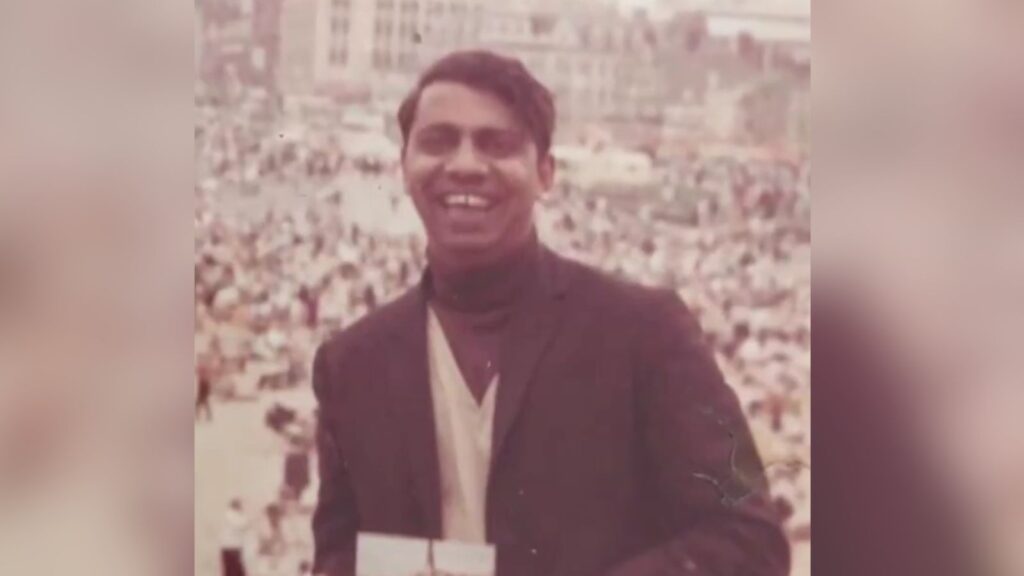
He never saw these identities as contradictory but complementary. He could honour his Hyderabadi roots, quote Iqbal in Urdu, and embrace his British citizenship simultaneously. His daughter, Roohi Hasan, an award-winning British journalist for ITV News, and son Mehdi both reflect their father’s belief that one can be rooted in cultural heritage while engaging fully with the wider world.
Mehdi noted that his father’s entire life was “one long rebuttal to the nativists, bigots, and xenophobes” who claim immigrants cannot fully belong. Riaz belonged fully to both cultures—the embodiment of a multicultural global citizen.
As his daughter Roohi says, “little wonder then with my dad’s example that I’ve spent my career reporting on those around the world suffering from humanitarian crises and conflicts.”
Family he leaves behind
Riaz is survived by his wife, Dr Rukhsana Hasan, who practised medicine with the NHS for several decades. She was his partner in every sense -travelling companion, doctor, closest friend, and caregiver through a life lived across two continents. He leaves behind his son Mehdi and daughter Roohi, both journalists who inherited his commitment to truth and integrity, and three grandchildren. He is also survived by his nephew, Taqi Hasan and his sister, whom he raised as his own children.
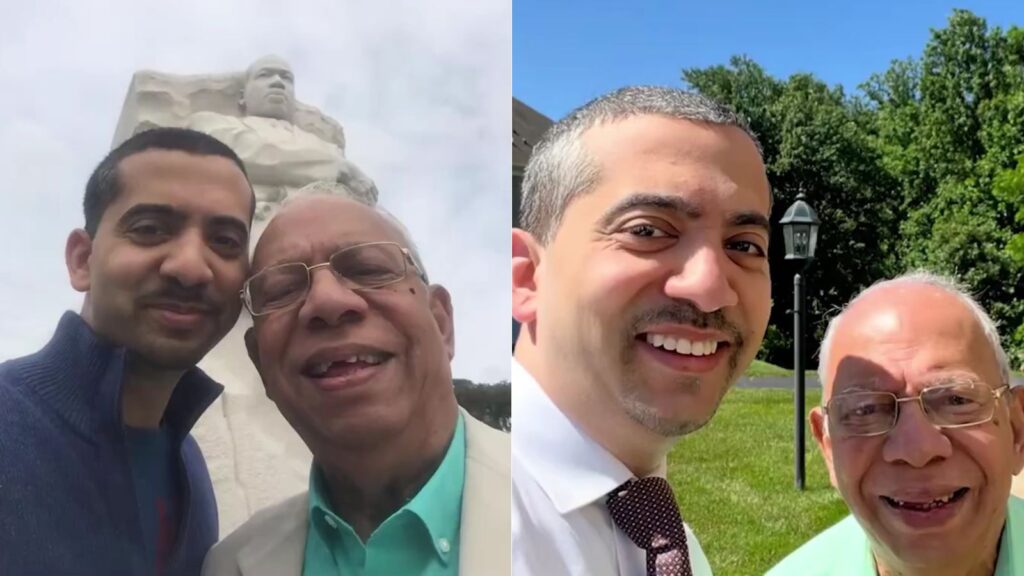
The extended Hasan family spans London, Hyderabad, Toronto, Houston, and California—representing the global, interconnected world Riaz helped build. His legacy lives in the values he instilled: education, service, family first, and the courage to be a global citizen while remaining true to one’s roots.
A life of impact
The poet Iqbal wrote: “Lo aise bhi hain jahan mein jo pur noor hain, Bani Adam kay liye shama-o-mehwar hain” (There are those in this world who are full of light, for the children of Adam, they are candles and centers of guidance).
Riaz Hasan was precisely such a light. He showed that one could be an observant Muslim and global citizen, a man steeped in Urdu poetry and equally comfortable in UN conference rooms, an immigrant fiercely proud of both his Hyderabadi origins and British passport.
He believed that the highest form of faith is service to others, that family obligations are sacred trusts, and that education and professional excellence are forms of worship. The water still flows in fields he helped irrigate. The children he raised continue making their marks. The values he embodied—responsibility, compassion, intellectual curiosity, cultural understanding—ripple forward through generations.
In an age that desperately needs bridge-builders, Mohd Riaz Hasan was exactly that. May his memory be a blessing, and may his example inspire others, from India and across the world, to live a life of service, dignity, and love.
About the author: This tribute was written by Mohd Riaz Hasan’s nephew, Taqi Hasan. He is a Silicon Valley, California, entrepreneur and former executive at Oracle, Microsoft, and Cisco. Like his uncle, he studied engineering at Osmania University before moving to the United States.