
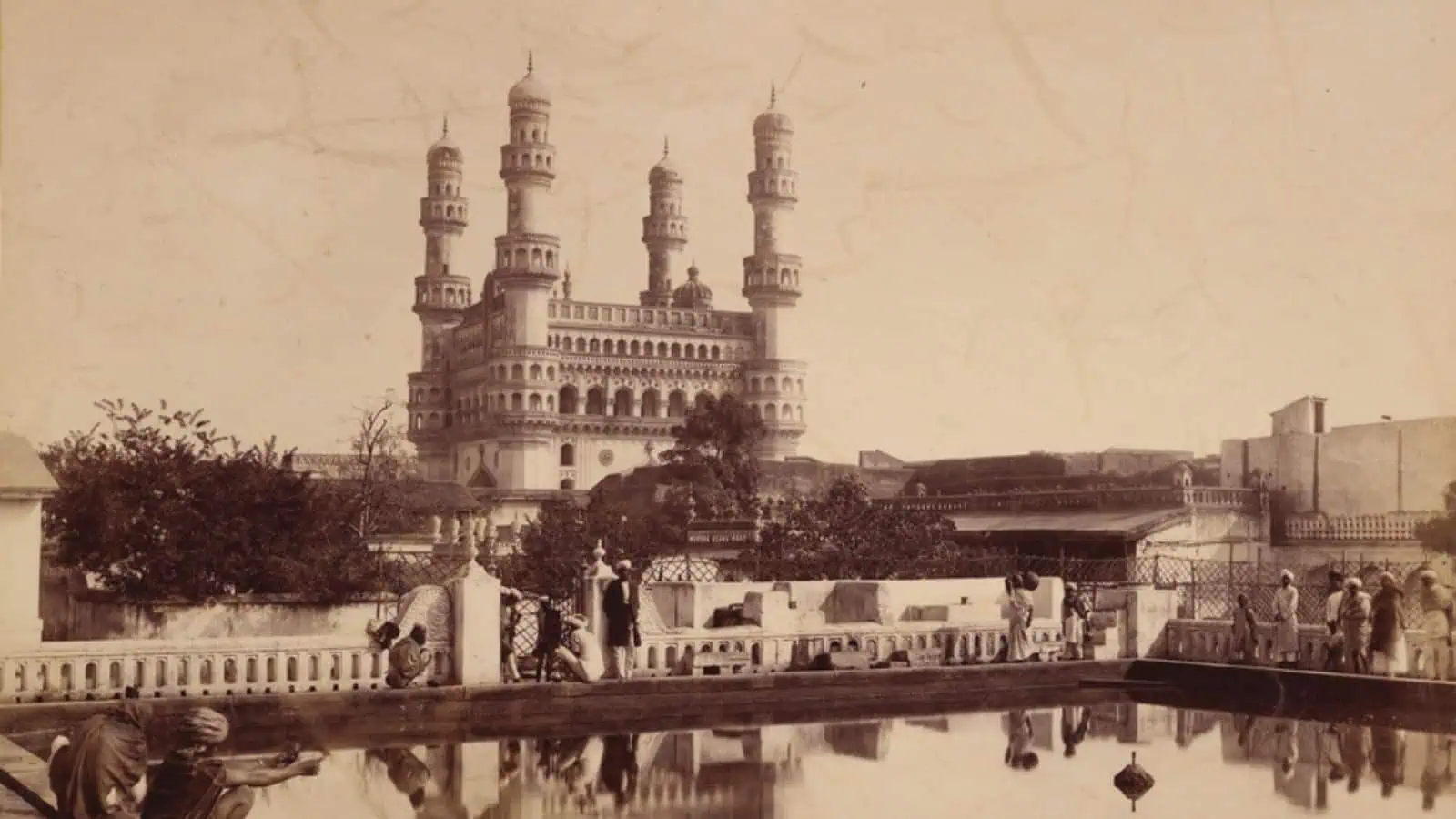
Ramzan has shaped the rhythm of life in Hyderabad for centuries. In the city’s areas, from the time before sunrise to the moment of iftar at sunset, traditions create a shared cultural and social experience.
Similarly, during the era of the Nizams, who ruled the princely state until its merger with India in 1948, the observance of Ramzan was not only deeply spiritual but also marked by unique auditory and communal rituals that helped the faithful keep time and come together.
The era of cannons, peace, and community
One of the most striking traditions in the Nizami era’s Ramzan observance was the use of cannons to signal the time for iftar (the breaking of the fast) at sunset. These cannons were fired from prominent spots such as Naubat Pahad, where the Birla Mandir currently stands atop. This elevated position allowed sound to travel across large parts of the city, rippling through neighbourhoods like Charminar.
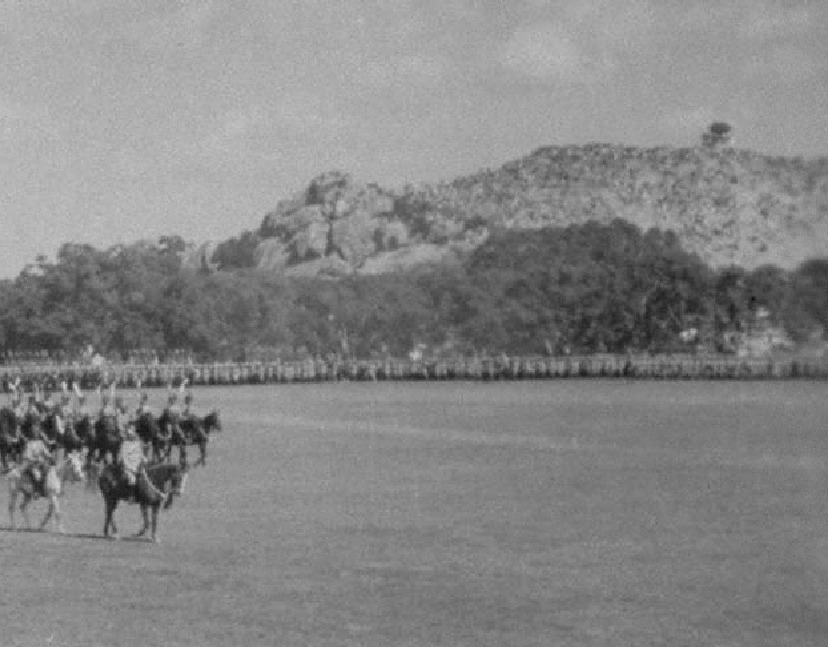
The cannon blast created a shared civic moment, an auditory thread connecting homes across Hyderabad. It was not merely functional; it was ceremonial, reinforcing the importance of collective observance.
As per a Times of India report, cannons were not fired at sehri (pre-dawn) to maintain the tranquillity of the night and allow households to sleep undisturbed while preparing privately for their meal.
The report further reveals that life in the Nizami era’s Ramzan was quieter overall. People used to sleep early, there were no 24-hour food stalls, and public iftars were not really common.
Although Ramzan and Eid were not official state holidays during the Nizam’s rule, they were celebrated on a grand scale thanks to the presence of nobles and the cultural prominence of the Muslim community in the city. Eid Milap parties were common, with people of all religions gathering to celebrate the festival.
Iftar in modern Hyderabad’s Ramzan
The thunder of Ramzan cannons has long faded from Hyderabad’s skyline. In their place, mosque loudspeakers and short siren bursts now signal the approach of iftar. Across neighbourhoods, sirens are sounded minutes before sunset, followed by the adhan, guiding the faithful to break their fast. What was once a single, city-wide boom has become a network of localised announcements, synchronised with prayer timetables and amplified through modern sound systems.
Mobile apps and digital calendars now also provide precise iftar timings, reducing dependence on any single public signal.
Yet, in the quiet hours before dawn, another age-old tradition still holds its ground. Sehriwalas, the pre-dawn callers who walk through lanes beating drums or calling out reminders for sehri, continue their rounds in a few pockets of the city. Once indispensable in waking entire neighbourhoods, they now compete with alarm clocks and smartphones.
Fewer families rely on them, and younger generations are seldom stepping in to continue the role. While they have held their ground against modernity, sehriwalas are gradually becoming a fading echo of Hyderabad’s older Ramzan soundscape.