
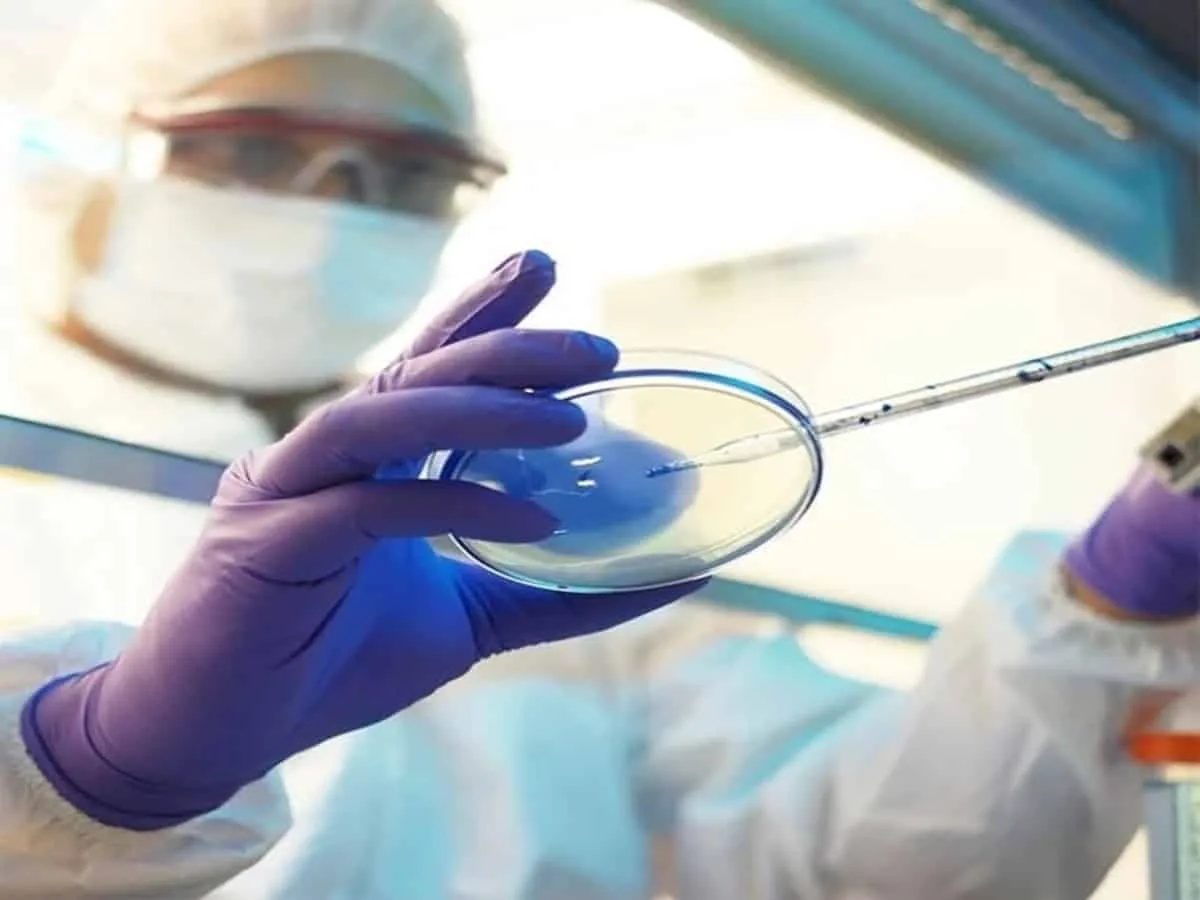
Hyderabad: Scientists at the CSIR–Centre for Cellular and Molecular Biology (CCMB) in Hyderabad have uncovered how fungi turn harmful inside the human body, highlighting a growing but often underestimated global health threat.
Fungal infections are increasingly linked to hospitalisations and deaths worldwide, while also damaging crops and worsening food insecurity. Treatment options remain limited, as antifungal drugs are few, often toxic, and losing effectiveness due to resistance.
Shape-shifting behind fungal virulence
The study, led by Dr Sriram Varahan, shows that fungi become dangerous by changing their shape—a process controlled not only by genes, as previously believed, but also by metabolism, particularly how fungi use sugar for energy. This finding opens a new pathway for antifungal treatment by targeting metabolic processes rather than genetic regulation alone.
Two forms, one dangerous switch
Fungi mainly exist in two forms: a small, round yeast form and a long, thread-like filamentous form. The yeast form allows fungi to move and survive within the host, travelling in search of a suitable niche.
Once established, fungi often switch to the filamentous form, enabling aggressive tissue invasion. This invasive form is much harder for the immune system and existing medicines to eliminate and is closely linked to severe infections, scientists found.
Sugar metabolism as the trigger
Researchers found that rapid sugar breakdown inside fungal cells triggers the production of specific sulphur-containing amino acids. These molecules act like a molecular switch, allowing fungi to transform into the invasive filamentous form. When sugar metabolism was slowed in laboratory experiments, fungi remained trapped in the harmless yeast form. However, adding sulphur-containing amino acids restored their ability to change shape and become invasive.
Evidence from Candida albicans
Experiments on Candida albicans, a common human fungal pathogen, showed that disrupting sugar metabolism weakened the fungus, reduced its ability to evade immune responses, and resulted in much milder infections in animal studies.
New hope for antifungal treatment
The findings suggest that fungal metabolism could be a promising new target for antifungal therapy. By cutting off the energy pathways fungi depend on, future treatments may prevent infections more effectively and reduce the risk of drug resistance, with potential benefits for both public health and agriculture.