Yallah Habibi! If there’s one thing Hyderabadis can never get enough of, it has to be Middle Eastern food.
From sizzling kebabs and juicy mandi platters to indulgent Arabic desserts, the city has always had a soft corner for flavours from the Gulf. But among all these dishes, one item that rules almost every foodie’s cravings list is shawarma. Whether it is a late-night snack, a post-college hunger fix or weekend comfort food, shawarma has slowly become an emotion for Hyderabad’s food lovers.
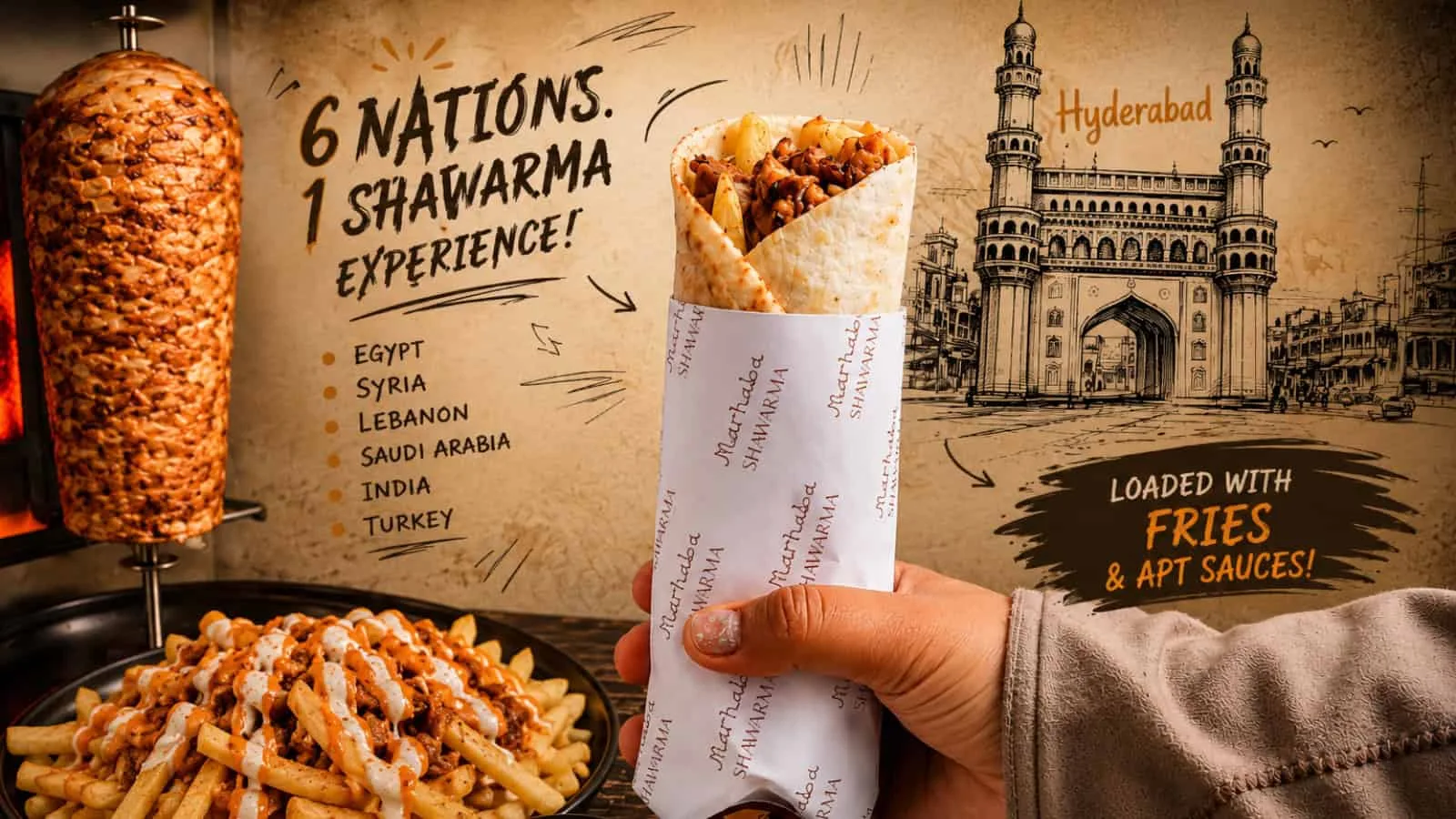
And now, taking this obsession to a whole new level, one food spot in Hyderabad is serving not one or two, but shawarmas inspired by six different countries – Egypt, Syria, Lebanon, Saudi Arabia, India and Turkey.
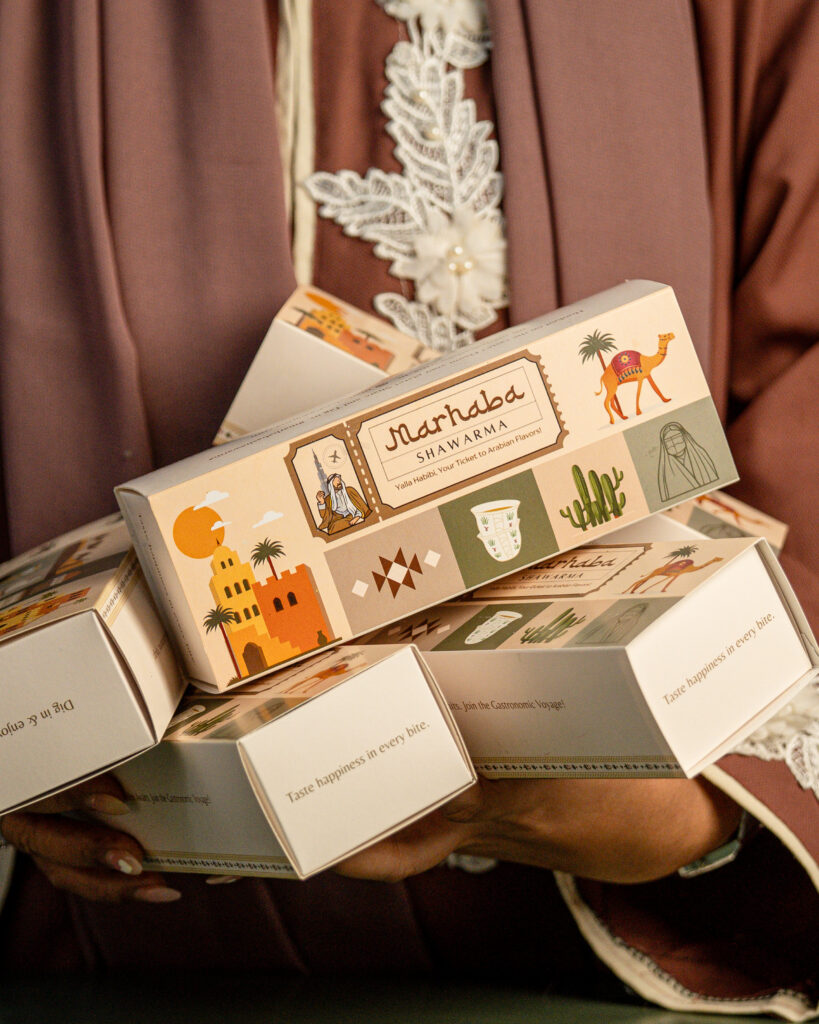
Nestled in Film Nagar, Banjara Hills, Maharba Shawarma, a cloud kitchen founded by Hyderabad-based entrepreneur Mohammed Yusuf, is currently winning hearts for introducing foodies to a global shawarma experience. After receiving a positive response from shawarma lovers, the brand has now also expanded with a new branch in Kondapur.
Speaking to Siasat.com, Yusuf revealed the idea was born after noticing how different Hyderabad’s local shawarma scene was from what he had experienced abroad.
“Having lived in the Middle East for over 10 years, I had tasted shawarmas from almost every country possible. When I came back to Hyderabad, I realised shawarma here was being represented very differently – it had become completely desi. I wanted people here to taste what authentic shawarma actually is,” he said.
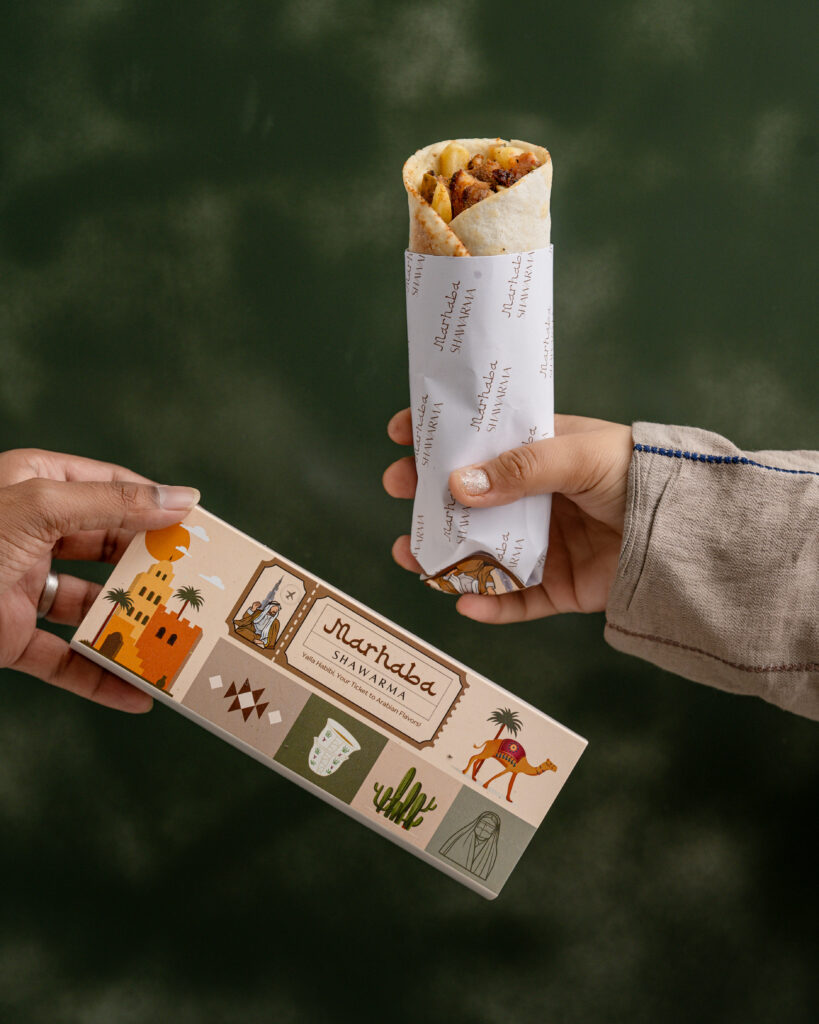
He explained that many local versions are overloaded with mayonnaise, coriander, garam masalas and heavy desi flavours, often missing the subtle balance that defines traditional shawarma.
“People here love shawarma so much, but if they get to know the real taste, it opens up a whole new palate for them,” he added.
Interestingly, while many assume shawarma originated in Saudi Arabia, Yusuf says its roots trace back to Turkey.
“It started in Turkey but became hugely popular in Saudi Arabia. Every country has its own variation. Think of it like dal in India – the base remains the same, but every region adds its own distinct flavour.”
That philosophy is exactly what Maharba has brought to Hyderabad.
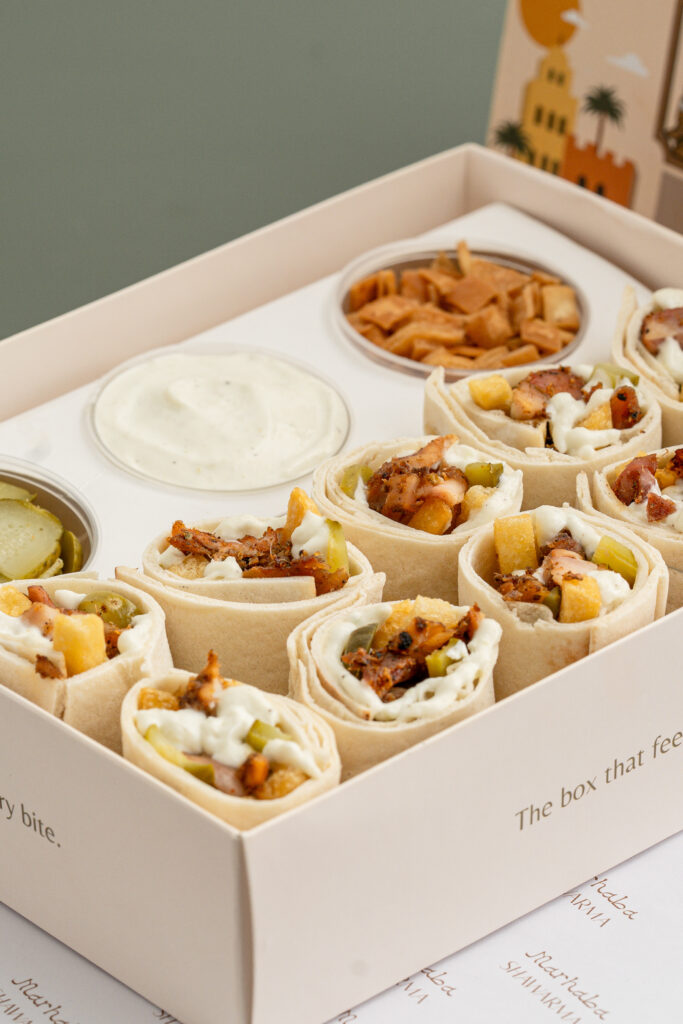
Unlike regular shawarma spots, Maharba recreates each country’s signature style through subtle differences in sauces, spices and preparation techniques.
For example, the Saudi-style shawarma includes a dash of ketchup, giving it a sweeter profile, while the Lebanese version lets the garlic-heavy toum dominate the flavour.
The Turkish, Syrian and Egyptian versions feature tahina sauce, while the Syrian shawarma is elevated with molasses and sumac powder for a tangier, richer finish.
And one ingredient Yusuf says is absolutely non-negotiable?
“Pickles are very important for authentic shawarma. That’s something usually missing in Indian versions.”
He also revealed that perfecting the menu was not easy. “It took us nearly two to three months of R&D to get the recipes right. Cracking the khubus bread and the garlic toum was the biggest challenge because even if the recipe is the same, ingredients available here are different from what you get abroad.”
Another thing that makes Maharba stand out is its focus on quality. “We never use chicken breast because it turns dry and rubbery. We only use chicken thighs, which keep the shawarma juicy even when it gets cold. It’s more expensive, but quality was non-negotiable for us.”
That premium approach has clearly paid off.
According to Yusuf, the Saudi and Syrian shawarmas currently enjoy the highest demand, especially among Hyderabadis raised in Gulf countries.
“We often receive long emotional messages from people who grew up in the Middle East saying our shawarmas brought back memories for them. That is incredibly touching for us.”
And honestly, after trying them ourselves, we can see why.
These are not the dry, basic shawarma rolls many Hyderabadis are used to. Maharba’s versions are indulgent and generously loaded with juicy meat, crispy fries, house-made sauces and distinct seasoning profiles that make every bite memorable.
Out Top 3 Picks
Among all the shawarmas we tried, the Lebanese, Turkish and Syrian versions easily stood out as favourites.
The Lebanese shawarma offered creamy balance with rich garlic notes, the Turkish had a subtle spice, while the Syrian version felt deeply comforting and flavour-packed.
The Saudi-style shawarma was also impressive, carrying bold seasoning with an authentic Middle Eastern touch.
What else we tried
Apart from shawarmas, Maharba surprised us with several standout dishes.
The Qatari IIFA Chicken turned out to be the biggest winner – juicy faham-grilled chicken wrapped in gooey cheese with smoky, indulgent flavours. Yusuf himself says, “Qatari chicken is something people should not miss.”
And he is absolutely right. 10/10. Easily the star dish apart from the shawarmas.
The Adana Kebab was another standout with its juicy texture and strong authentic flavour, while the Zaatar Labneh with khubus delivered creamy simplicity elevated by aromatic zaatar seasoning.
For those wanting something lighter and more experimental, the Tabbouleh Salad offers a refreshing Middle Eastern twist.
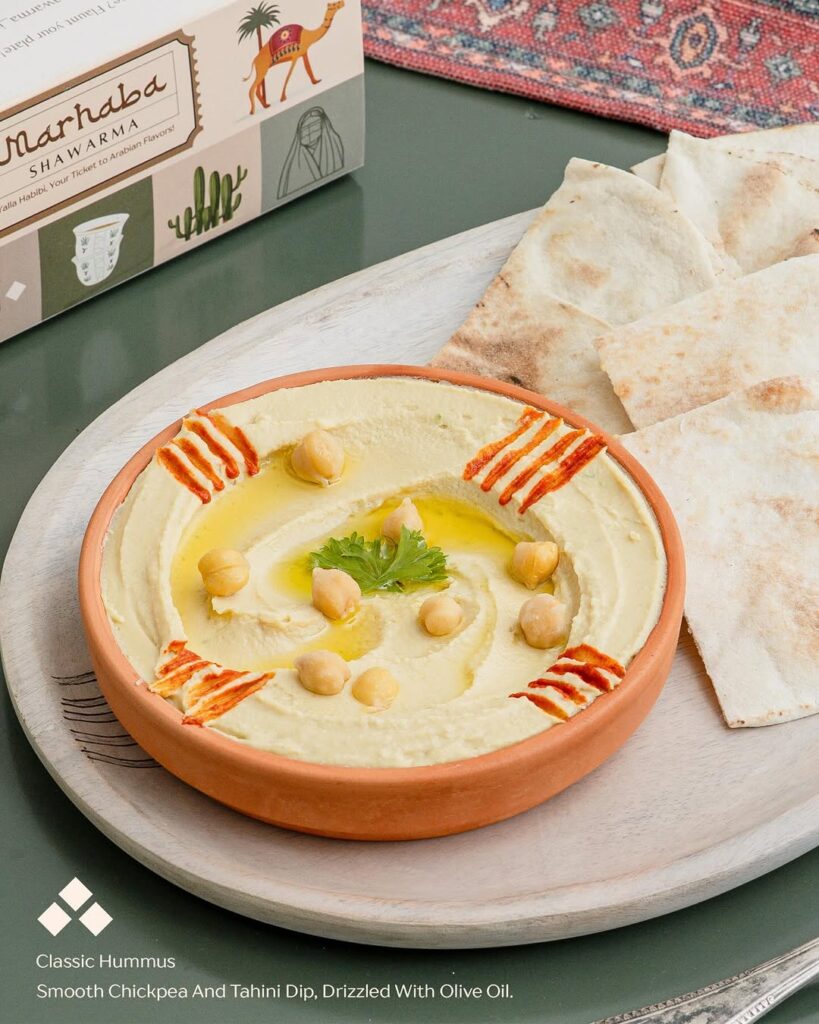
And if you are a hummus lover, do not skip theirs. “Our hummus is made fresh to order instead of being stored for days. That freshness makes all the difference,” Yusuf shared.
What’s next for Maharba?
Yusuf says this is only the beginning. The kitchen is already working on introducing Dubai-style crispy grilled shawarmas, lamb shawarmas, Arabic desserts like Kunafa and Basbousa, and a unique Kuwaiti rice dish called Machboos.
“People are tired of eating the same mandi everywhere. We want to introduce dishes Hyderabad hasn’t explored properly yet.”
Quick Siasat.com review
- Lebanese Shawarma: 9.5/10
- Syrian Shawarma: 9.5/10
- Turkish Shawarma: 9/10
- Saudi Style Shawarma: 8.5/10
- Qatari IIFA Chicken: 10/10
- Adana Kebab: 9/10
- Zaatar Labneh with Khubus: 9/10
- Tabbouleh Salad: 8/10
For shawarma lovers who think they have already tried it all in Hyderabad, Maharba Shawarma might just surprise you. As Yusuf puts it: “Even if authentic flavours feel unfamiliar at first, give them a chance. Slowly, your palate develops and then there is no going back.”