
There is little left to be said about Hyderabad’s cafes that hasn’t already been said before. From single-origin menus to carefully designed spaces, the city’s cafe culture has been written about, photographed, and posted endlessly. But somewhere beyond cafe tables and latte art, a shift is taking place.
What is changing is, where and how coffee is being experienced. Coffee is becoming a reason to learn, gather, move, and build communities. From schools to brewing clubs and apartment cafes, Hyderabad’s coffee culture is moving far beyond cafes.
How Hyderabad is learning its coffee
Coffee in Hyderabad was long defined by cafes rather than craft. Today, more drinkers want to understand what goes into their cups.
Brewing communities have been central to this shift. Mohammed Ibrahim, co-founder of the Hyderabad Brewing Club, traces his own journey back to a time when options in the city were limited. A friend introduced him to a moka pot in 2020, which turned him into “a true coffee addict,” prompting years of studying brewing methods and competing in championships. This addiction resulted in a club formed by Ibrahim, Abhijeet and Sajan and mobilised by various home brewers.
Travelling outside the city highlighted the gap. “When I went to Bengaluru, I realised how behind Hyderabad is in understanding the true essence of coffee,” Ibrahim explains. While cafes existed, many people were consuming coffee as a trend, without knowing the process behind it. Brewing club sessions now focus on filling that gap by covering coffee’s history, harvesting, roasting, and both manual and automatic brewing methods, with detailed attention. “Brewing clubs like ours are pushing people to understand more about what goes inside their cups,” he says.
Coffee Lab, which identifies itself as a coffee school, was also started in late November 2025 to offer exactly that. “We realised there were people who wanted to learn how to make a good cuppa, so we wanted to give a separate space where people can experience good coffee away from a cafe environment,” he tells Siasat.com.
At Coffee Lab, learning takes precedence. From tasting sessions and home-brewing workshops to extensive barista training programmes, the focus is on informed decision-making. “Curious people who want to learn more and make better decisions when it comes to buying and brewing come to Coffee Lab,” Tarush says.
Importantly, these spaces are also changing how coffee-related careers are perceived. “One thing people do not know is that a barista job is quite well-paying,” Tarush points out. “Starting salaries can be around Rs. 20k, and I know baristas earning up to Rs. 3 lac a month.” For many, this shift marks coffee’s transition from a casual habit to a serious profession.
Coffee as a reason to socialise
Darani Janarthanan runs an apartment cafe called The Social Brew in Kokapet. “The goal was to get people socialising in a non-alcohol setting,” she says. Participants fill out a form before attending, allowing Darani to curate groups with a mix of extroverts and introverts. “People come in as strangers and leave as friends who plan more meet-ups,” she adds.
Coffee helps break the ice. “Holding something they love in their hands makes people comfortable,” Darani explains. Conversations range from life experiences to adulthood, with guests often sharing knowledge about coffee. What began with simple pour-overs now includes moka pot espressos, dip bags, and South Indian filter coffee.
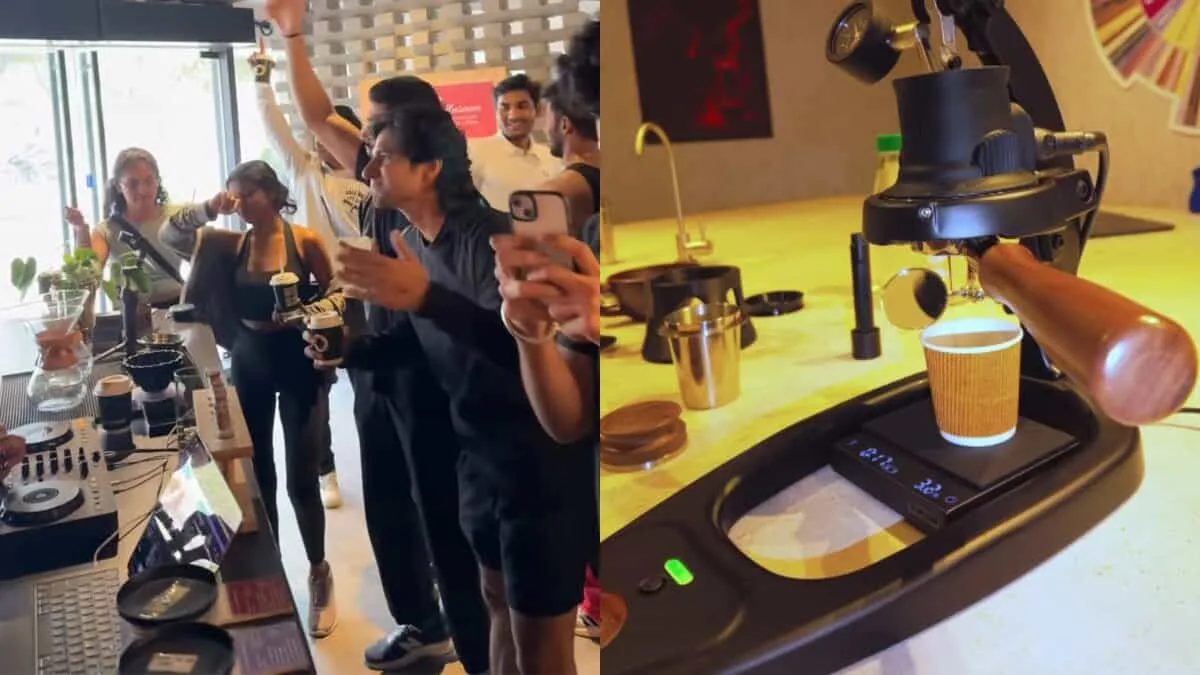
A similar sense of community is shaping Hyderabad’s mornings. Hydrn.in, a run club, ends its sessions with coffee raves. “We added activities at the end to give people an incentive to run more,” says a volunteer. “Out of everything, the coffee rave became our thing, with many joining the run for the rave.” The club is careful to note that coffee is not its core focus, yet the post-run gatherings have become a huge attraction. “People do not realise they sometimes burn more calories in the rave than in the run itself,” the volunteer adds.
Hydrn.in also uses coffee to promote healthier routines, offering an alternative to alcohol-fuelled nightlife. “We want people to wake up early on weekends instead of partying late,” the volunteer tells Siasat.com.
In Hyderabad, coffee is becoming more than a beverage. As Tarush observes, “Hyderabad is already on the first step since we have several cafes and people are learning about the beverage as they visit these cafes.” From learning spaces to intimate gatherings, these experiences show that Hyderabad’s coffee culture is maturing, moving beyond cafes and becoming an integral part of how people engage with their city.