
If you walk into a multiplex in Hyderabad today, the dominance of the Telugu film industry feels ancient and natural. But according to the researcher and author, Dr C. Yamini Krishna, this is a narrative that began only a few decades ago.
Speaking to Siasat.com on the final day of the History Literature Festival at Hyderabad Public School, Yamini Krishna traced Hyderabad’s cinematic history beyond the familiar Telugu timeline, drawing attention to Urdu film cultures that existed long before the industry arrived in the city.
The author of Film City Urbanism in India, Yamini Krishna was in Hyderabad as a speaker at the festival’s session Cinema of Hyderabad: Pasts and Futures, alongside SV Srinivas and Srinivas Kondra. Her work, grounded in extensive archival research, focuses on cinema in Hyderabad before 1948 and the cultural shifts that followed.
The Asaf Jahi era: A sprawling film hub
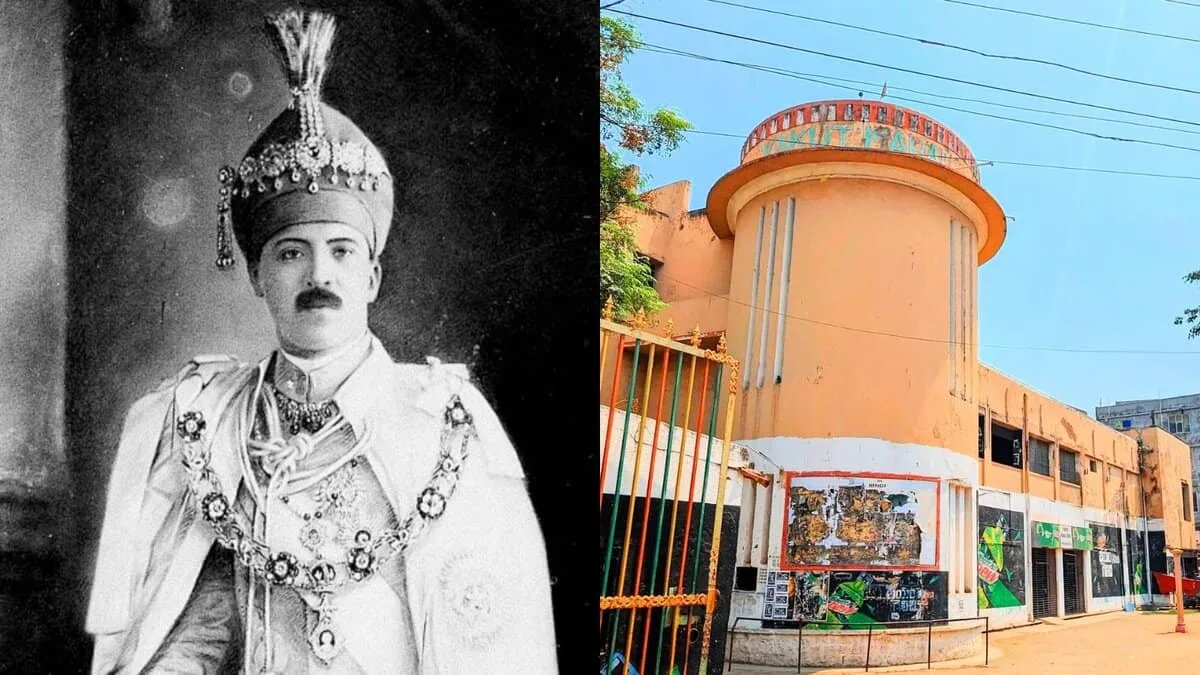
Contrary to the popular belief that Hyderabad’s film history began in the 1960s, Yamini’s research reveals a sprawling movie culture dating back to the 1890s. Long before the arrival of “talkies,” Hyderabad was already a creative centre for filmmakers. Between 1922 and 1924, Bengali filmmaker Dhiren Ganguly produced 6-8 silent films under the patronage of the Nizams.
“Some of these were even filmed inside the Nizams’ own palaces,” Yamini noted, highlighting that Hyderabad was making silent cinema at a time when very little was being produced across the rest of India.
The cinema of Hyderabad was also defined by its acceptance of languages beyond Urdu or Dakhni. The archives reveal a mixing of cultures- English films were promoted in Urdu, Telugu films in Urdu, and Marathi films in English.
“The state also actively participated in the promotion of cinema. The Nizam’s government commissioned films, instituted film awards in the 1940s, and even began planning land grants for studios,” Yamini said.
Sharing an anecdote about the use of cinema as a tool for social harmony, Yamini said, “A European film company once approached the Nizam to adapt a poem called Prem Darpan, written by Krishan Prasad Bahadur. The state agreed to fund the project, but on one condition: the film had to promote harmony between Hindus and Muslims.”
Yakut Mahal, Moti Mahal and more: How Hyderabad watched films
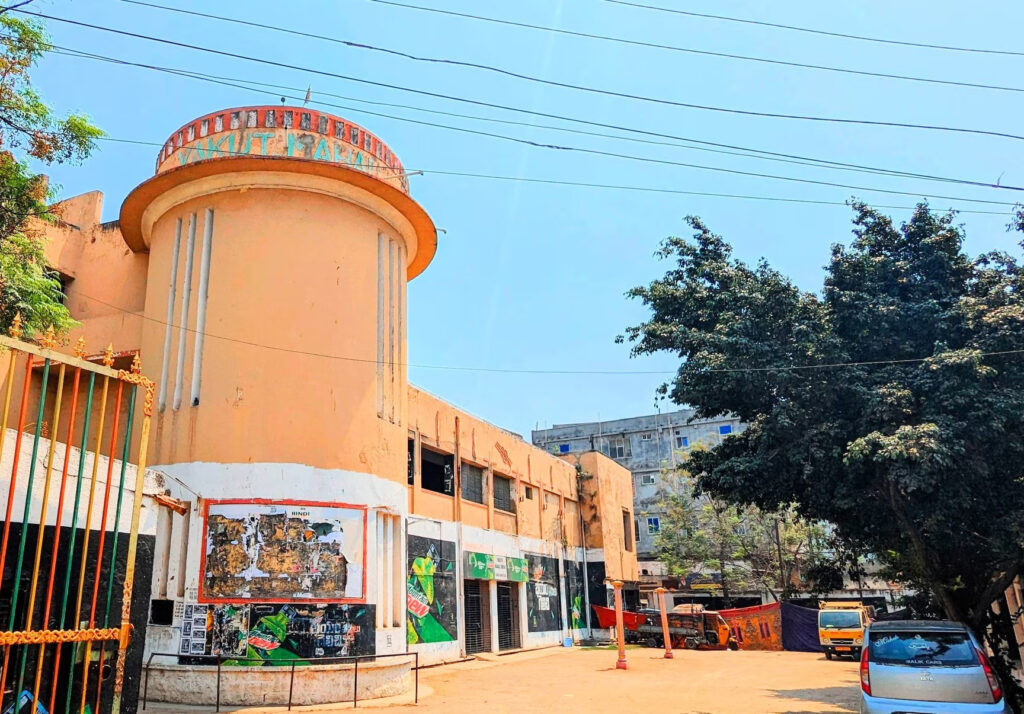
Beyond the films themselves, the spaces where people gathered to watch them tell a story of a city deeply in love with the screen. Yamini’s research highlights legendary theatres like Yakut Mahal and Moti Mahal, which were social landmarks.
Yakut Mahal stands today as a rare survivor of that era. Yamini noted that it is the only single-screen theatre still working and thriving, despite many predictions of its demise. “The theatre is a stunning example of Art Deco architecture, a style once popular in princely states across India. In its heyday, the experience was one of pure luxury; ads from the time boasts about the theatre’s specific projectors, fountains, and furnishings like sofas that were otherwise uncommon in the city,” she said.
The social habits of the time were equally fascinating. In a unique local tradition, some viewers would watch a movie until the interval and then sell their ticket to a new person waiting to watch the second half. Theatres also featured dedicated Pardah sections in the balconies, allowing women to enjoy films in privacy.
Moti Mahal, another significant theatre, actually changed the legal history of the city. A fire accident there led to the creation of the Hyderabad Cinematograph Act in 1936, finally bringing formal safety and film regulations to the Nizam’s state.
The cinematic landscape was also divided by the city’s unique geography. In Secunderabad, specifically the British Cantonment area, the vibe was entirely different. While the Nizam’s power was supreme in Hyderabad, the British controlled the cinemas in the Cantonment.
Yamini shared a humorous anecdote where the Nizam and his associates wanted to sit in the front row of a British-run cinema. Though the British officials did not like the Nizam sitting in the front row, they realised they were powerless to stop him; if they offended the Nizam, he could simply shut the theatre down since it sat on his land. Unlike the multilingual mix of the city, Secunderabad theatres primarily focused on English and silent films.
Dakhni cinema today
The shift from the multilingual world of the Asaf Jahi era to the modern day wasn’t just a language change; it was a total transformation of the city’s image. Yamini argues that the migration of the Telugu film industry from Madras to Hyderabad in the 1960s—following the police action of 1948—acted as a “cultural takeover.”
“Cinema came to a city which is not Telugu and made it Telugu. In the process, it sidelined Urdu culture and its Muslim past, rebranding Hyderabad into a “Telugu-Hindu” city,” said Yamini.
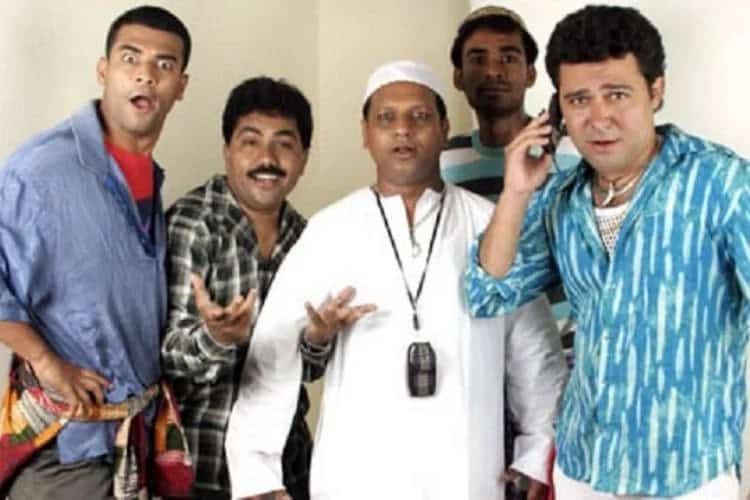
This transition reduced Dakhni to a mere caricature. Speaking about the popular film The Angrez, she said, “These movies are often funded by NRI Telugu capital, and so, we see a clear division between the characters in the film. The characters from the “New City” are shown working in high-tech IT jobs and moving globally to places like America. In contrast, Dakhni-speaking characters from the “Old City” are often depicted as stagnant, merely “passing time”. Because the films are funny, this subtle pushing of a class and communal division often goes unnoticed by the audience, yet it reinforces the idea that the city’s Urdu-speaking heritage is a relic of the past.”
.