
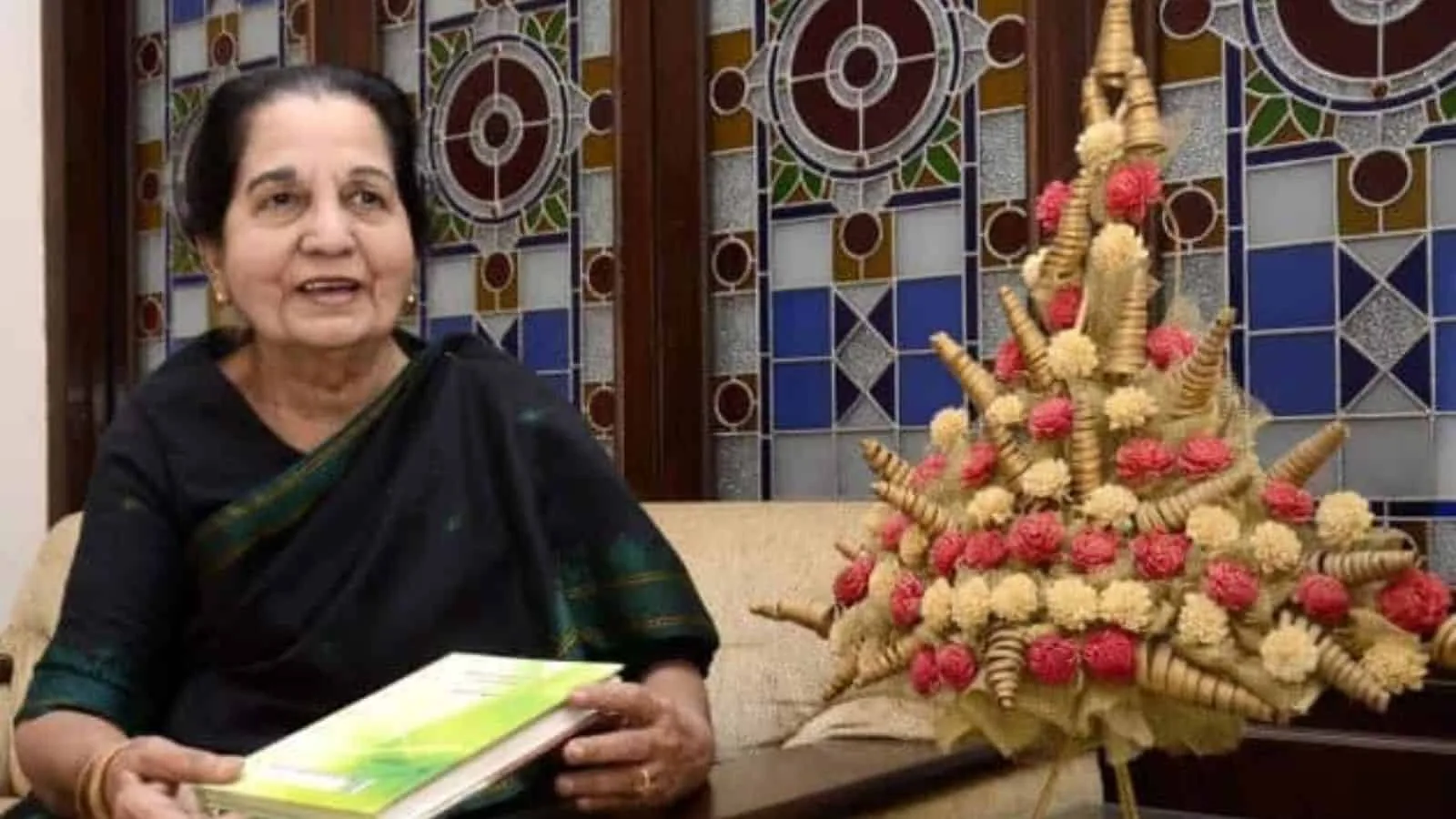
The world of literature has lost one of its most luminous stars. Jeelani Bano, a titan of Urdu literature and a fierce advocate for the marginalized, passed away on Sunday (March 1), leaving behind a legacy that stretched far beyond the borders of her beloved Hyderabad.
According to her family sources, she was a social architect who used her pen to bridge the gap between tradition and modernity. From her first short story in 1954 to her crowning achievements as a Padma Shri recipient and Doctor of Literature, Bano’s career spanned seven decades of relentless creative output.
A voice without borders
Jeelani Bano’s impact was global. Her stories—deeply rooted in the soil of the Deccan—found home in the hearts of readers from Moscow to Madison.
With 22 books covering novels, plays, and screenplays, she mastered every medium she touched.
Her masterpieces, like Aiwan-e-Ghazal and Baarish-e-Sang, were translated into Russian, German, Norwegian, and nearly every major Indian language, proving that her themes of human struggle and dignity were universal.
Her storytelling even reached the silver screen, notably through Shyam Benegal’s Well Done Abba, ensuring her narratives resonated with a mass audience.
What set Bano apart was her “grounded” soul. She didn’t just write about life; she worked to improve it. As a chairperson for NGOs like ASMITA, she was a formidable force for women’s empowerment and human rights.
Perhaps her most personal contribution to cultural history was her effort to preserve the “soul” of Hyderabad. By recording 13 audio cassettes of Dakani Urdu as spoken by ordinary people, she ensured that the unique cadence of her home would never be forgotten by history.
She was a subject of intense study for scholars from Uzbekistan to Delhi. To the common reader, she was a friend who understood their “daily stories” (Roz Ka Qissa). She leaves us with a library of empathy—a collection of work that remains as vital and sharp today as it was when she first picked up her pen, the press release said.