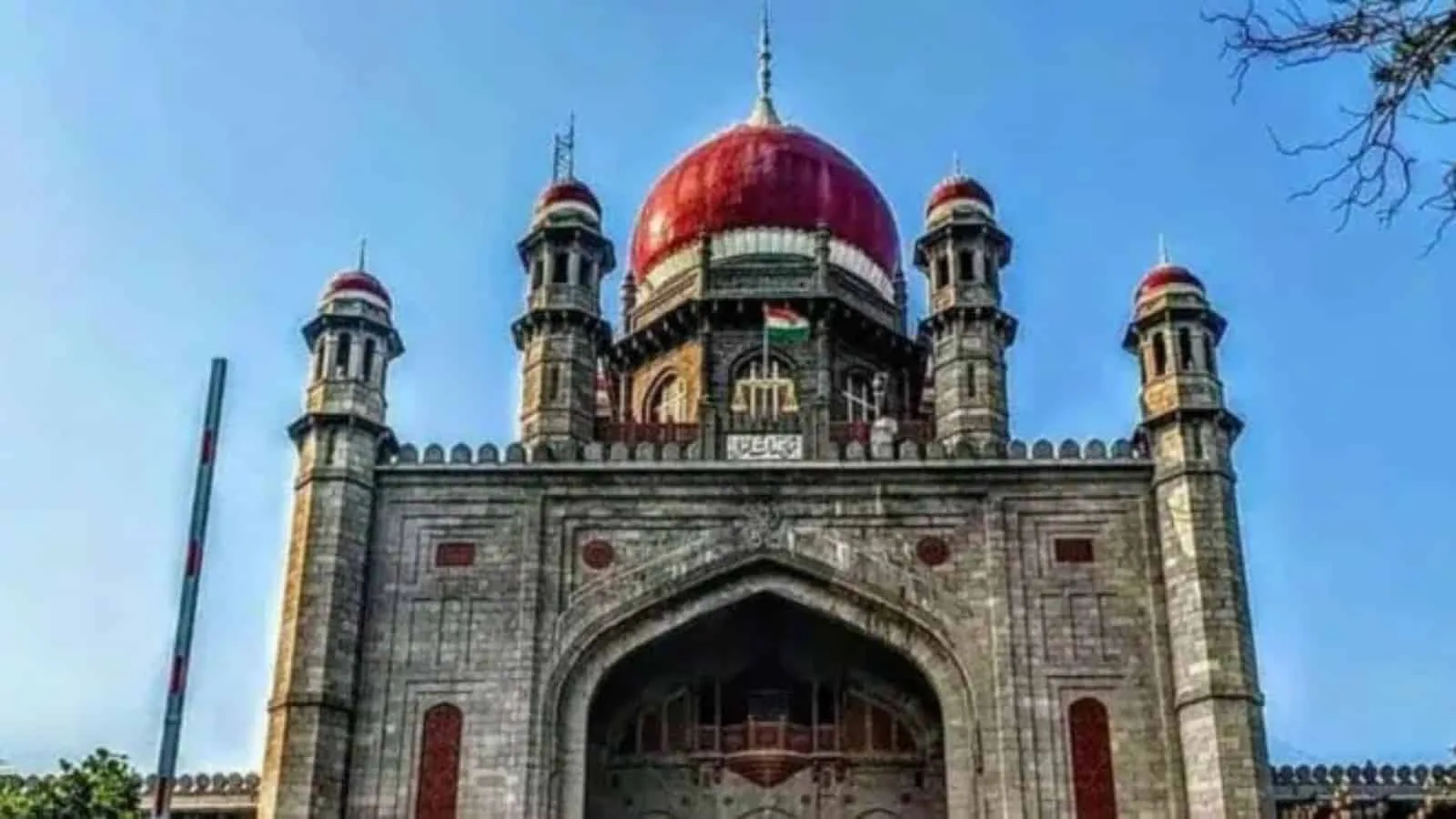
Hyderabad: The Telangana High Court on Wednesday, April 8, deferred its decision until April 22 in a batch of petitions questioning the findings of the Justice PC Ghose Commission report on the controversial Kaleshwaram Lift Irrigation Project (KLIP), in which former chief minister K Chandrasekhar Rao (KCR) was held guilty.
KCR and former minister T Harish Rao, among other petitioners, appealed to the court seeking to set aside the commission’s report.
Violation of natural justice: Petitioners
During the course of arguments, the petitioners claimed a violation of principles of natural justice, stating that they were not allowed to defend themselves. The petitioners have also raised objections to the manner in which the enquiry was conducted under the Commission of Inquiry Act.
The state government has maintained that the inquiry was made in public interest and the commission did not act arbitrarily while arriving at its findings.
Report blames KCR, flags ‘rampant’ irregularities
The committee, headed by former Supreme Court Judge Pinaki Chandra Ghose, found that KCR was directly responsible, as well as indirectly responsible, for irregularities committed during the planning, implementation and operation of the major barrages.
The report pointed out that his personal involvement and direction led to deficiencies due to what was called rank irregularity from the conception of the project.
It described the project as being riddled with extensive and open procedural and financial irregularities, along with an individualised decision-making process.
The initial cost estimate of Rs 38,500 crore increased to over Rs 1 lakh crore.
The Kaleshwaram project was the flagship project of the former Telangana government, which labelled it as the “lifeline” of the state for irrigation purposes.
However, the alleged structural problems with the barrage and the debts that came along with this project brought attention to the issue following the arrival of the Congress government under Chief Minister A Revanth Reddy in power, resulting in the formation of the panel in March 2024.