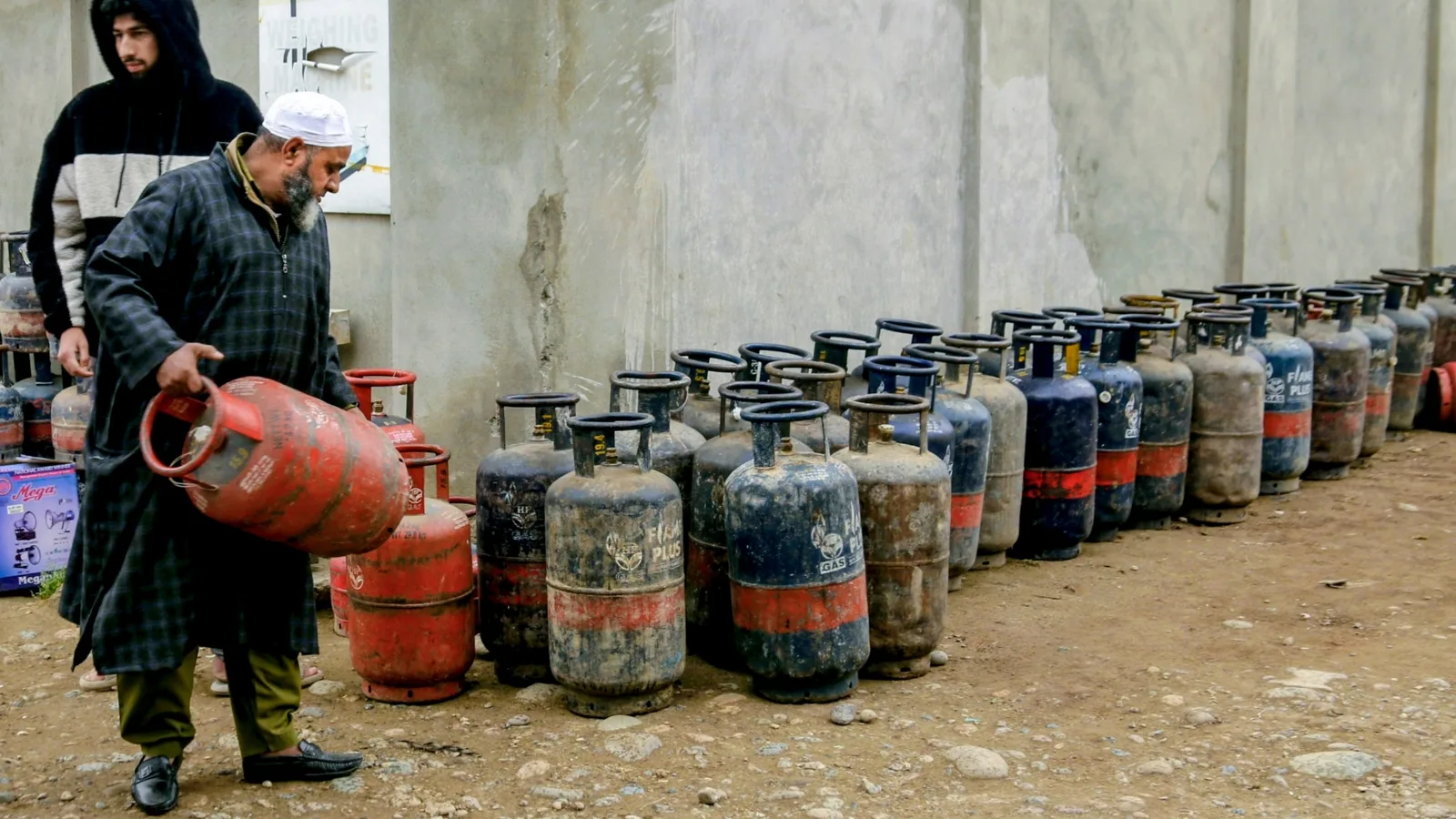
Hyderabad: The fear of liquefied petroleum gas (LPG) shortage has sent Hyderabad households and eateries into a frenzy, with black marketers having a field day. Over 20,000 cylinders more than the usual average have been booked in the city so far this year, a direct fallout of panic buying triggered by the war in West Asia. However, black marketers have wasted no time, tripling prices for household customers to nearly Rs 3,000 a cylinder.
The numbers tell the story. According to the Telangana government, the average supply of LPG cylinders to households until this time of year stood at 2,15,151. This year, that figure jumped to 2,35,678 (recorded until March 17) with Indian Oil Corporation Limited (IOCL) accounting for 93,887 deliveries, Hindustan Petroleum Corporation Limited (HPCL) for 84,156 and Bharat Petroleum Corporation Limited (BPCL) for 57,635.
The government has repeatedly insisted there is no shortage. And yet, the panic refuses to die down.
How it all started
The trouble began when Iran shut off the Strait of Hormuz in retaliation to the ongoing conflict stoked by the US and Israel, blocking oil tankers from passing through the narrow West Asian waterway that handles roughly 20 per cent of the world’s oil supply. The move set off alarm bells globally.
Though India eventually managed to secure passage for some of its tankers through negotiations, the damage to public confidence had already been done. By then, households were scrambling to stock up, with some wanting two or three extra cylinders as a buffer.
Paying three times the price
That desperation has been a goldmine for two sets of players – LPG distributors, who are cashing in on the surge in demand from commercial establishments during Ramzan, and private agencies, who are squeezing household customers, particularly in upmarket neighbourhoods.
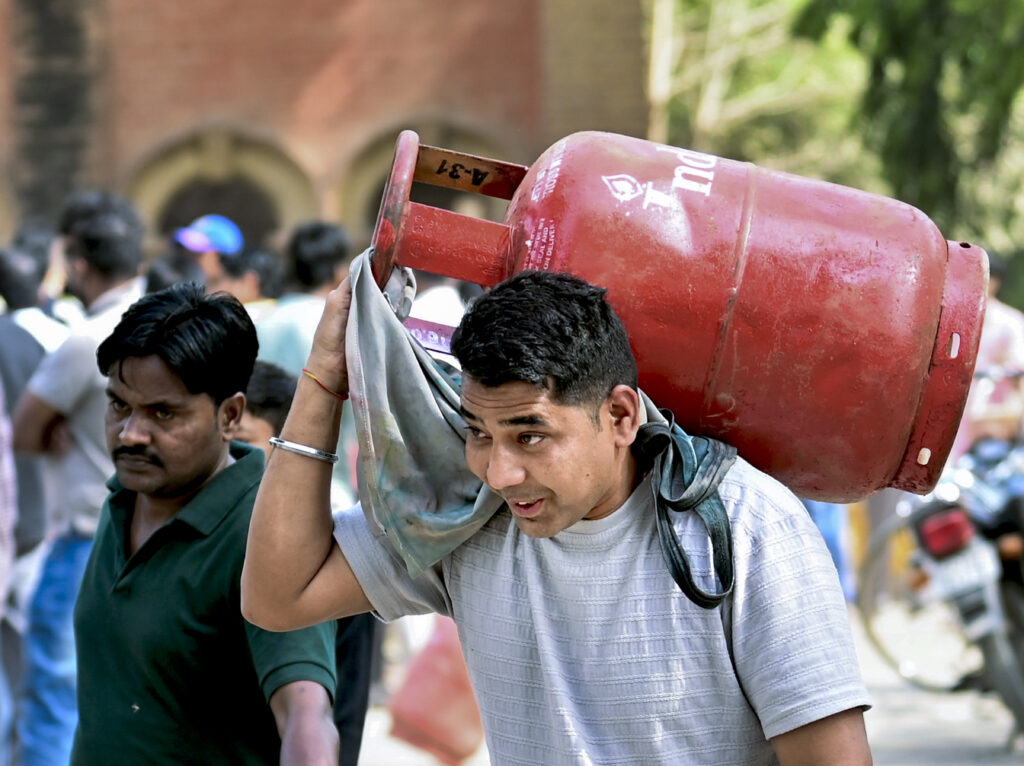
Household consumers who normally pay around Rs 1,000–1,200 per cylinder through private channels are now shelling out anywhere between Rs 2,500 and Rs 3,000 just to skip the queue. Commercial establishments have it worse.
While many hotel and shop owners were paying double the price just a week ago, some have reportedly forked out between Rs 3,000 and Rs 5,000 per cylinder in the last two days alone.
“People are desperate, especially small shop owners who don’t have much of an option. They are paying whatever distributors are asking,” said the owner of a popular hotel in the city, who did not wish to be named. “The central and state governments have both made it clear that there is no shortage. If you look at the inventory, there’s enough stock. But people are panic buying. Each household now wants to stock up two or three more.”
Ramzan adds to pressure
The timing couldn’t be worse. The holy month of Ramzan has significantly pushed up demand from caterers, stall owners and eateries, all of whom need more gas than usual to prepare iftar spreads and large meals.
“We typically need the smaller, portable cylinders for catering. That usually costs less than Rs 1,000. But agencies were selling them for over Rs 2,400,” said Naser Mohd, a city-based caterer.
In localities like Begumpet and Banjara Hills, residents, many of them from other cities who never registered with official oil company channels, have been especially vulnerable. Without access to the formal purchase route, they have no choice but to rely on private agencies, which are now making the most of the situation.
“Many people who come from different cities don’t buy directly from oil companies, so they don’t have the official channel to purchase a cylinder. They usually go to private agencies, which are now exploiting the situation,” said Raj Krishna, a security staffer at a gated community in the area.
Firewood not the answer either
Some establishments have tried switching to firewood as a stopgap, but that too comes with its own set of problems. Junaid Aziz, who runs Hotel Nayab with his family, said the alternative is neither practical nor sustainable.
“There is a lot of cleaning involved and it leaves smoke, which is not ideal. So, everyone is waiting for the situation to ease. But for now, cylinders are being sold at whatever price the agencies decide,” he said.