Hyderabad: There’s anxiety in every kitchen now, with concerns growing over LPG supply disruptions linked to the ongoing West Asia conflict. And with good reason. However, there are some simple hacks to tide over the shortage, at least temporarily.
How much does India import LPG and from where?
India consumes about 31.3 million tonnes of LPG annually but produces just 12.8 million tonnes domestically. The remaining 18-19 million tonne is imported, and the vast majority of that comes from Gulf countries, with Qatar alone accounting for nearly a third of India’s LPG imports and the United Arab Emirates (UAE) and Saudi Arabia close behind.
Why is there a shortage?
Most LPG shipments travel through the Strait of Hormuz, the narrow waterway between Iran and Oman that is arguably the world’s most critical energy chokepoint. Nearly a third of all global LPG trade passes through it. The route has been thrown into uncertainty after the US and Israel attacked Iran on February 28.
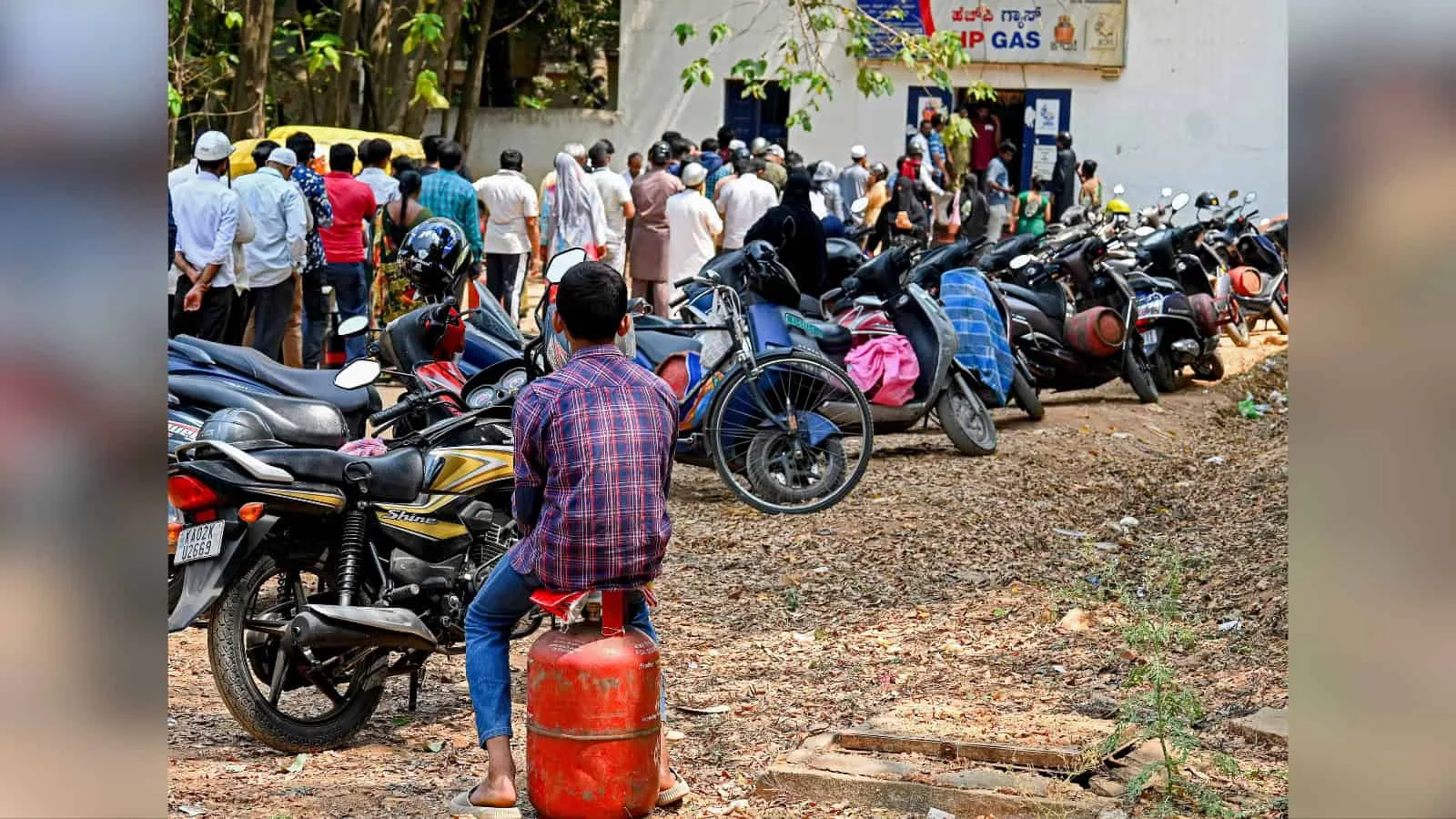
The Centre has responded by directing refineries to divert LPG production for domestic use and increasing the minimum gap between cylinder bookings from 21 days to 25 days. However, relief is not around the corner any time soon.
How long does a cylinder actually last?
For a family of four cooking three meals a day, a standard 14.2 kg cylinder typically lasts about 30 days. Have a larger family and cook more elaborate meals – biryanis and slow-cooked curries – and it runs out even faster, sometimes in 20 to 25 days. Applying even a handful of the habits, and that same cylinder can last 55 to 60 days.
That is the difference between booking a cylinder every month and booking one every six weeks.
The flame is where most gas is wasted
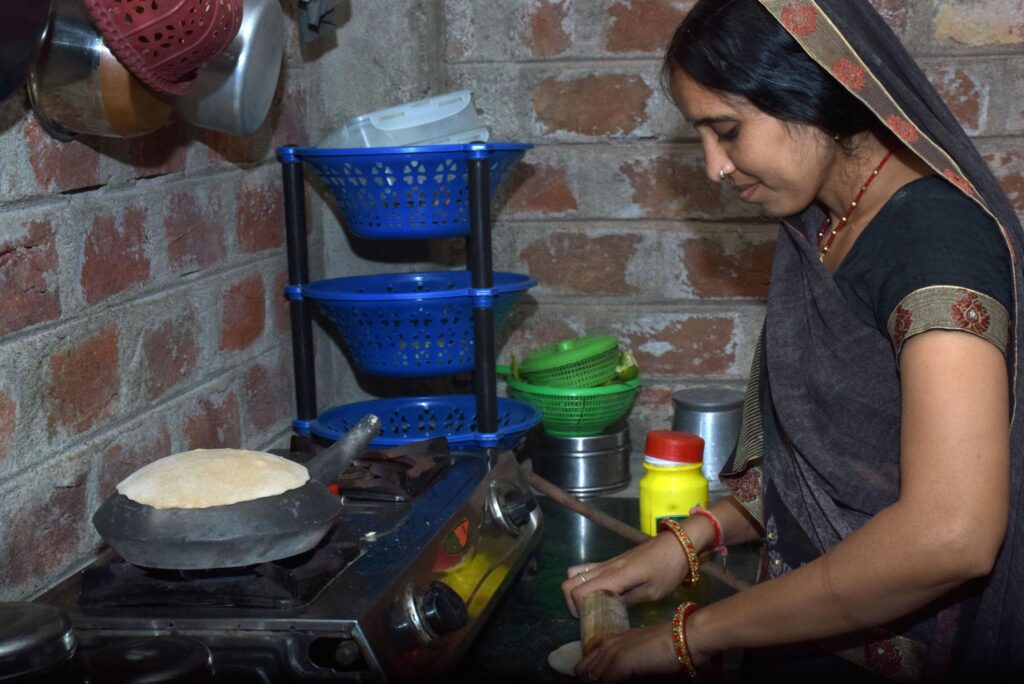
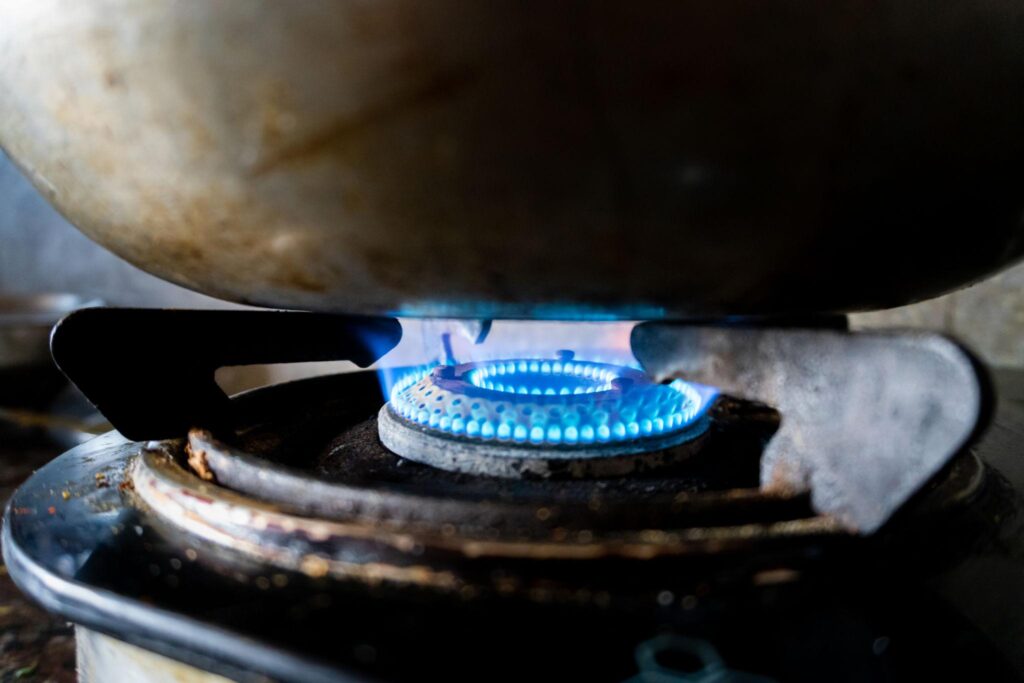
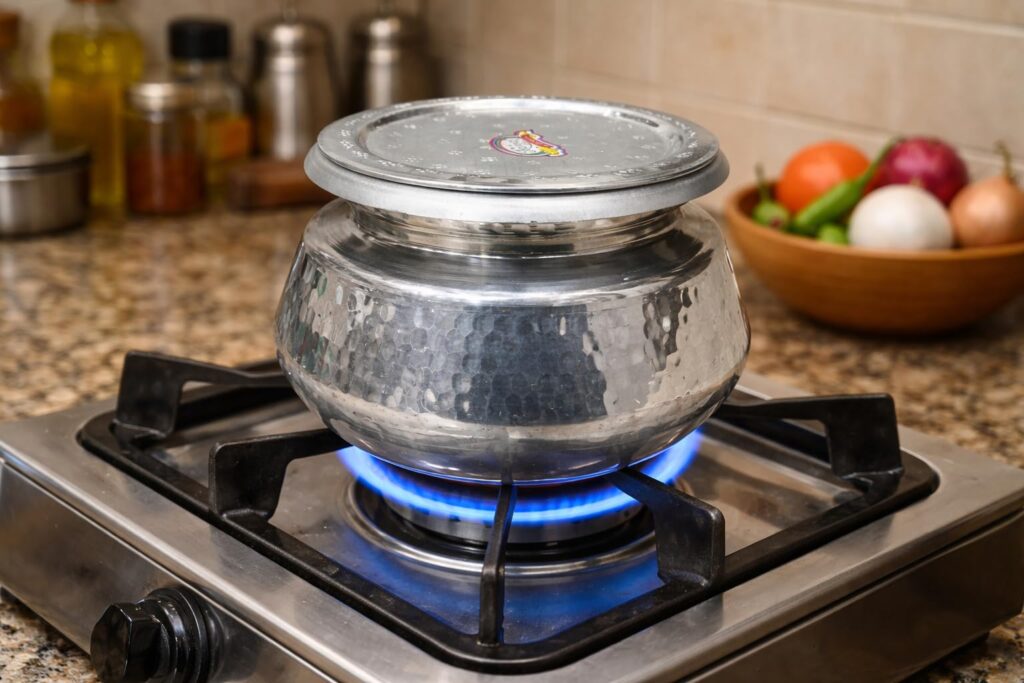
Keep the flame within the base of the vessel. If it is overflowing from the sides, you are wasting gas as a portion of the heat escapes into the air instead of heating the food. Use a high flame only briefly to bring food to a boil, then immediately switch to medium or low. Keeping a large flame going for the entire cooking process wastes gas without speeding up cooking.
A small but effective trick is to turn the flame off a minute or two before the food is fully done. The residual heat trapped in the vessel, particularly in rice and dal, will finish the job on its own.
Use the smaller burner for smaller vessels rather than defaulting to the large one out of habit.
Put a lid on it, use a pressure cooker
A lid traps heat and cuts cooking time considerably. A pressure cooker does this even more effectively, especially for rice, dal, rajma and chole, reducing gas consumption by 30 to 50 per cent.
Soak grains the night before
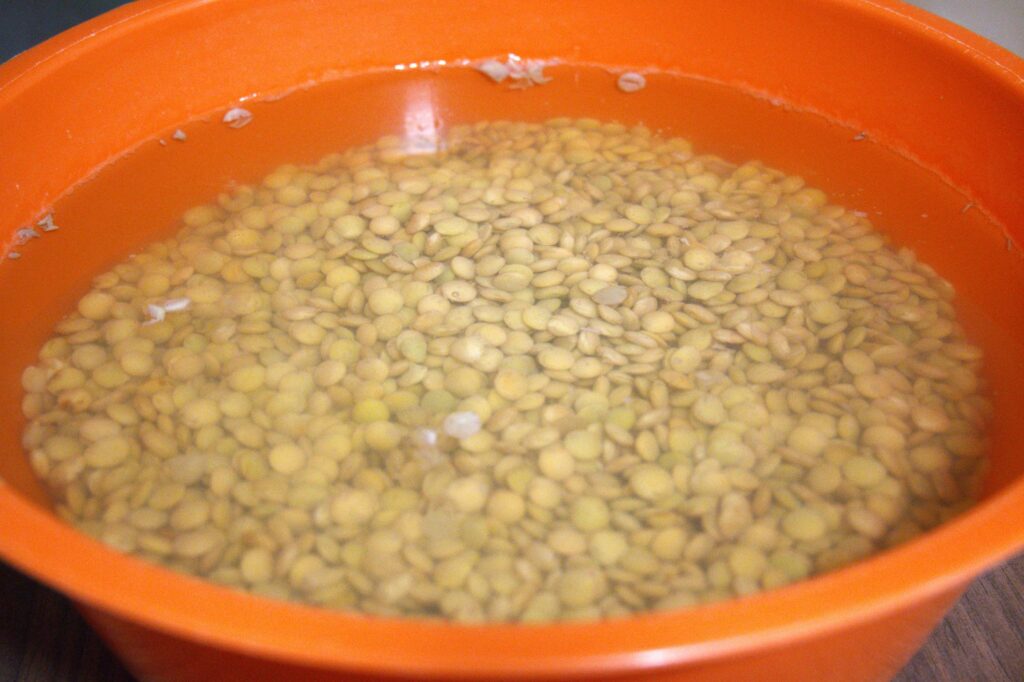
Rajma, chole and dal that haven’t been soaked can take close to an hour on the stove. Overnight soaking cuts that dramatically. Even soaking rice for 20 minutes after washing it can cut down cooking time by half.
Use flat-bottom utensils
Flat-bottom vessels absorb heat more effectively than rounded ones, ensuring better contact with the flame and reducing cooking time. Making sure utensils are dry before placing them on the stove can also help, as the burner otherwise spends the first minute simply evaporating water off the vessel’s surface.
Prep first, then light the stove
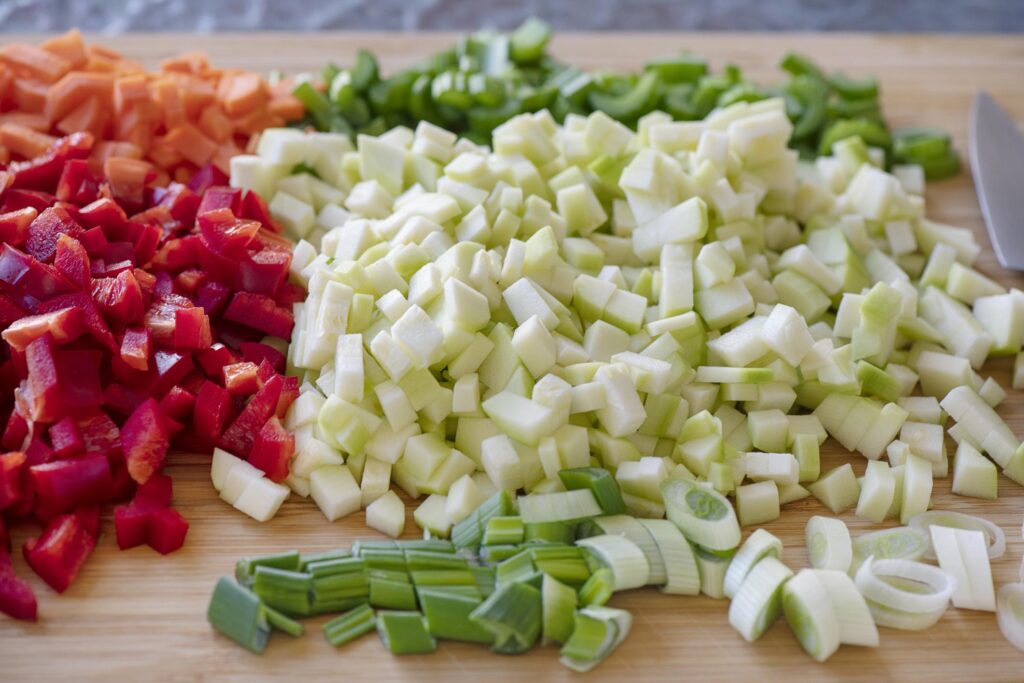
Get everything chopped and measured before you turn the burner on. Cook dishes consecutively rather than switching the stove on and off repeatedly. The stove is already hot and less gas is needed to get back up to temperature.
Clean your burner, check for leaks
A yellow or orange flame means clogged burner holes and poor combustion. Running a pin or needle through the holes periodically is all it takes to restore proper airflow and efficiency.
To check for leaks, apply soap water around the regulator and hose connections. If bubbles appear, you have a leak that is quietly draining your cylinder. Replace rubber hoses every two to three years.