
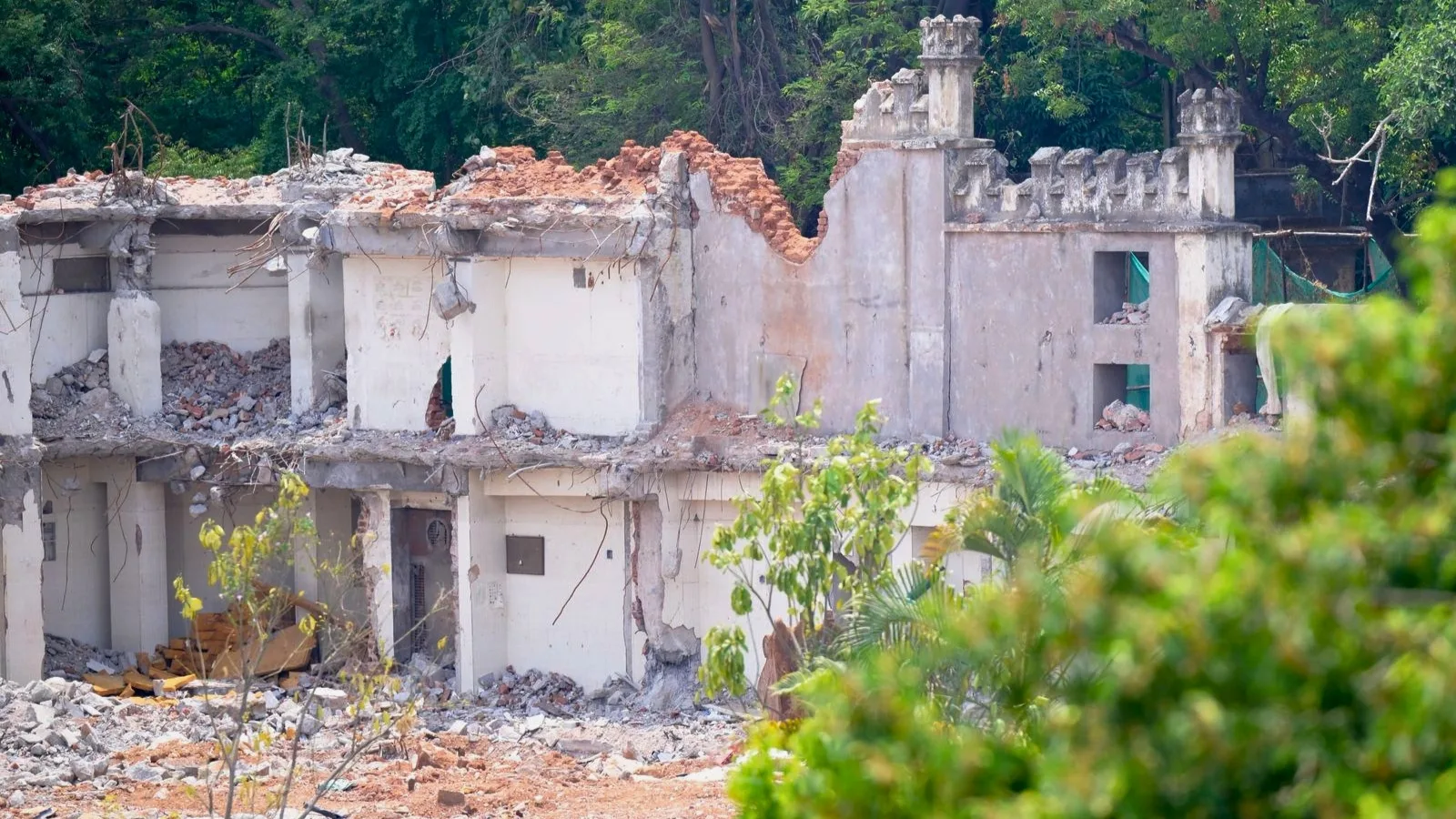
Hyderabad’s Begumpet has many historical wonders that are well preserved and unknown to many in the city. Perhaps that’s why these historical monuments have survived the ravages of time and politics. But this fairy tale is now under threat. The proposed flyover through the Paigah Palace premises has already caused an uproar — and now comes the systematic destruction of Chiran Fort, which is the other side of the palace.
A brief historical background will help place this in perspective.
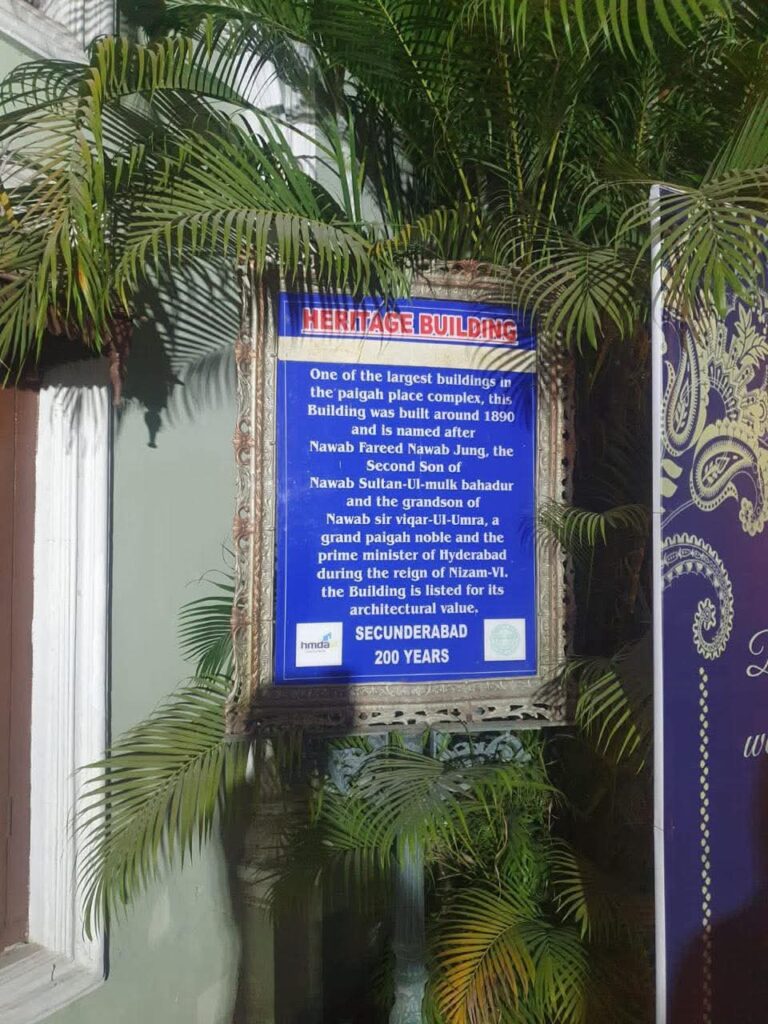
Sir Viqar-ul-Umra (August 13, 1856 – February 15, 1902) was the Prime Minister of Hyderabad State from 1893 to 1901 and Amir-e-Paigah from 1881 to 1902. A prolific builder, he is credited with the magnificent Falaknuma Palace, among many others. The palace in Begumpet, popularly known as Paigah Palace, was then called Aiwan-e-Viqar. Originally conceived as a complex of palaces, the grand plan never reached fruition following Sir Viqar-ul-Umra’s untimely death.
For the sake of convenience, the popular name Paigah Palace will be used through this narrative. It was the zenana (women’s) palace built for Sir Viqar-ul-Umra’s wife, Shahzadi Jahandarunissa Begum, daughter of Nawab Afzal-ad-Dawlah, Asaf Jah V – the fifth Nizam – and sister of Nawab Mahboob Ali Khan, Asaf Jah VI – the sixth Nizam.
Sir Viqar-ul-Umra’s own lineage was equally distinguished. He was the son of Amir-e-Kabir III Nawab Raheeduddin Khan Bahadur and Shahzadi Hashmath un-nisa Begum Saheba, daughter of Nawab Sikandar Jah Bahadur, Asaf Jah III of Hyderabad.
The mardana (men’s) palace that Sir Viqar-ul-Umra used later served as the US Consulate until a few years ago. The Paigah family — which has three branches: Khurshid Jah Paigah, Asman Jah Paigah and Viqar-ul-Umra Paigah — stood second to none but the Nizams in Hyderabad’s social and political hierarchy, a status consolidated by the tradition of Nizam sisters and daughters marrying into the Paigah family.
Built in 1890, the zenana palace later became the residence of Sir Viqar-ul-Umra’s grandsons. One grandson, Nawab Nazeer Nawaz Jung – married to Shahzadi Dawoodunnisa Begum, the youngest daughter of the sixth Nizam – lived in the portion now known as Paigah Palace. His grandson Obaid-Ur-Rehman continues to live there. The other half was occupied by Nawab Fareed Nawaz Jung, who was married to Shahzadi Ghousunnisa Begum, also a daughter of the sixth Nizam.
Obaid-Ur-Rehman has done much to preserve the legacy of his forefathers, keeping up Paigah Palace as the last remnant of the family’s past glory. His cousins, the descendants of Fareed Nawaz Jung, sold their portion of the zenana palace to Prem Sagar Rao, MLA for the Mancherial constituency from the Indian National Congress (INC). For a time, he ran the Chiran Fort Club from the portion he acquired; the club has not been functional for some time now.
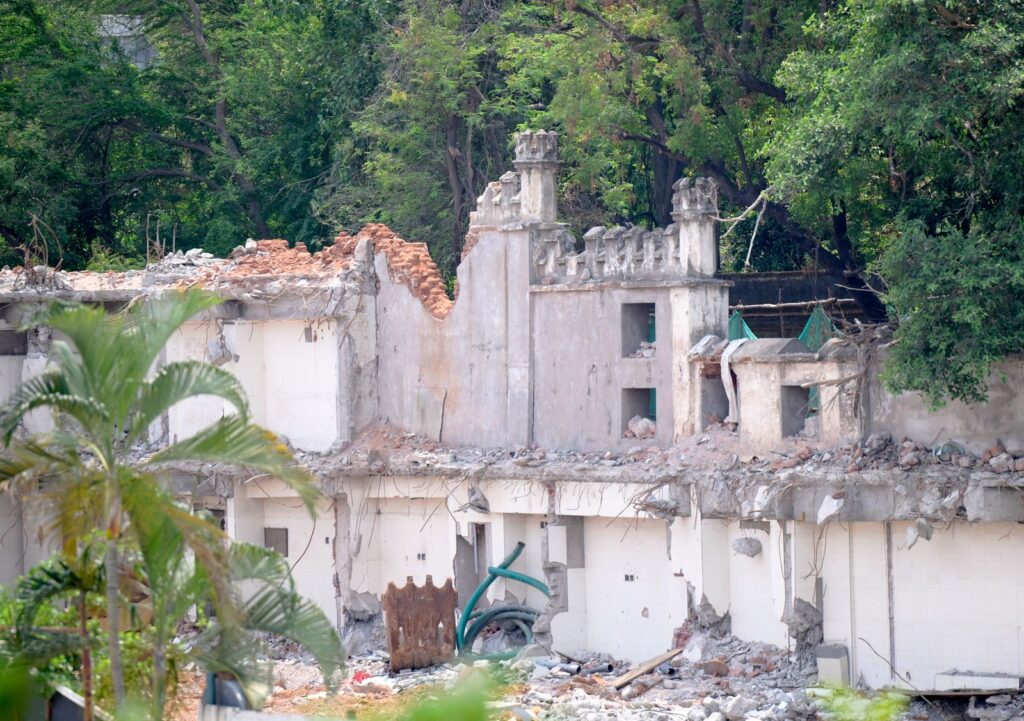
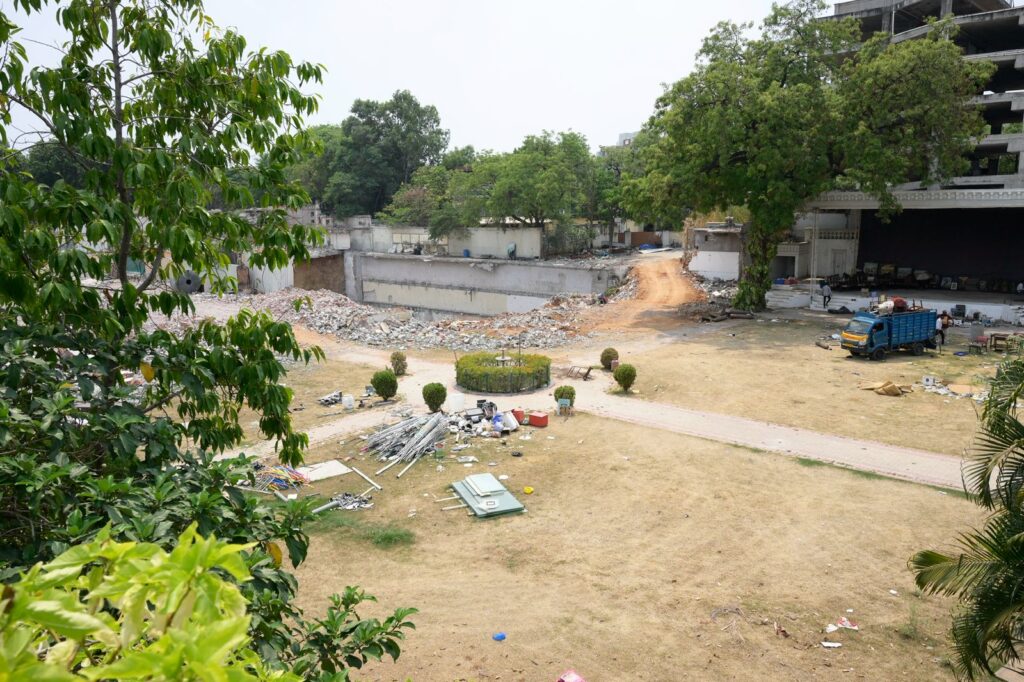
The palace has two burjs, or towers. The one on the Paigah Palace side remains intact, but the burj within Chiran Fort has been recently demolished. Obaid-Ur-Rehman received an unpleasant shock on Sunday, April 5, when his staff informed him that the teak doors of Chiran Fort were being dismantled – and that considerable destructive activity was underway inside.
The descendants of Fareed Nawaz Jung, Obaid-Ur-Rehman, and heritage lovers subsequently staged a protest outside Chiran Fort. The fact remains that the palace is a declared heritage building, regardless of whether a portion of it was sold. It is a damning reflection on successive governments, across party lines, that Hyderabad’s heritage has been met with such consistent neglect.
As concerned citizens, we are mortified that real estate interests continue to take precedence over whatever little remains of our heritage. The Viqar-ul-Umra legacy in Begumpet is rich. It includes the picturesque Spanish Mosque and much of the land on which Hyderabad Public School now stands.
Old-timers will recall the Indo-European mansion Vilayat Manzil, part of the Paigah estate, where Nawab Wali-Ud-Daula, son of Sir Viqar-ul-Umra and Prime Minister of Hyderabad, once lived. Hardly anything remains of that historic structure today.
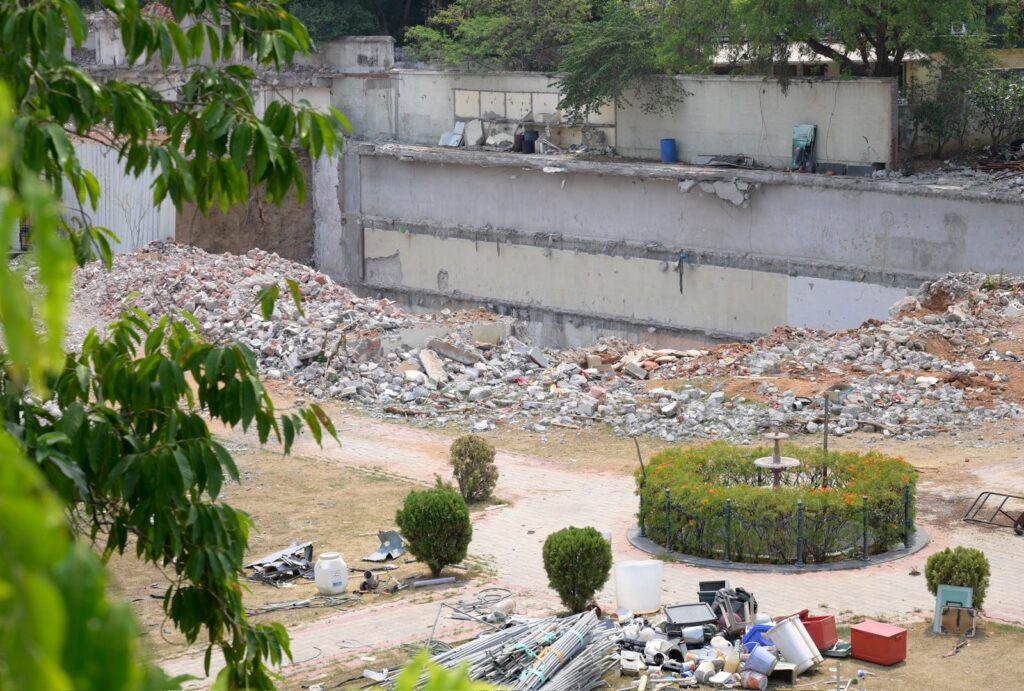
Since the story of the ongoing demolition at Chiran Fort broke, the site has been cleared of rubble, an obvious attempt to cover up the damage. Much of the footage available to us exists only because of the determined efforts of Hasan Sarfaraz, a young descendant of Fareed Nawaz Jung, and Habib-Ur-Rehman, a descendant of Nazeer Nawaz Jung.
Despite promises made during election campaigns, governments grow predictable once in power. Osmania General Hospital may have been saved from demolition by the zeal of heritage activists, but it is hardly maintained. Now it is Chiran Fort’s turn, once a proud part of the glorious Aiwan-e-Viqar.
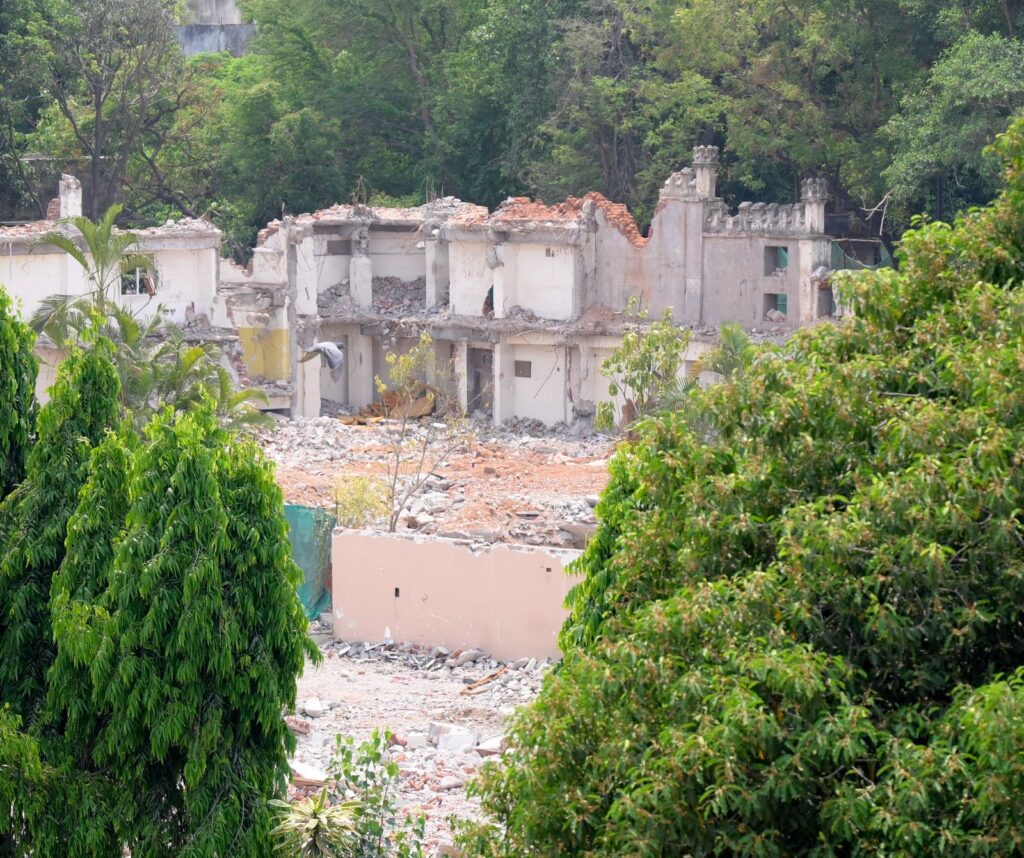
When will we, as a civilised society, stem this rot? When will the destructive impulse to pull down heritage monuments and replace them with modern structures, blindly copying architecture ill-suited to our climate, finally be checked?This is our urgent plea to the Telangana government: stop the wilful destruction of Chiran Fort. Promises are proved by deeds. Hyderabad without its Qutb Shahi and Asaf Jahi heritage is nothing but a hollow, pretentious shell.