
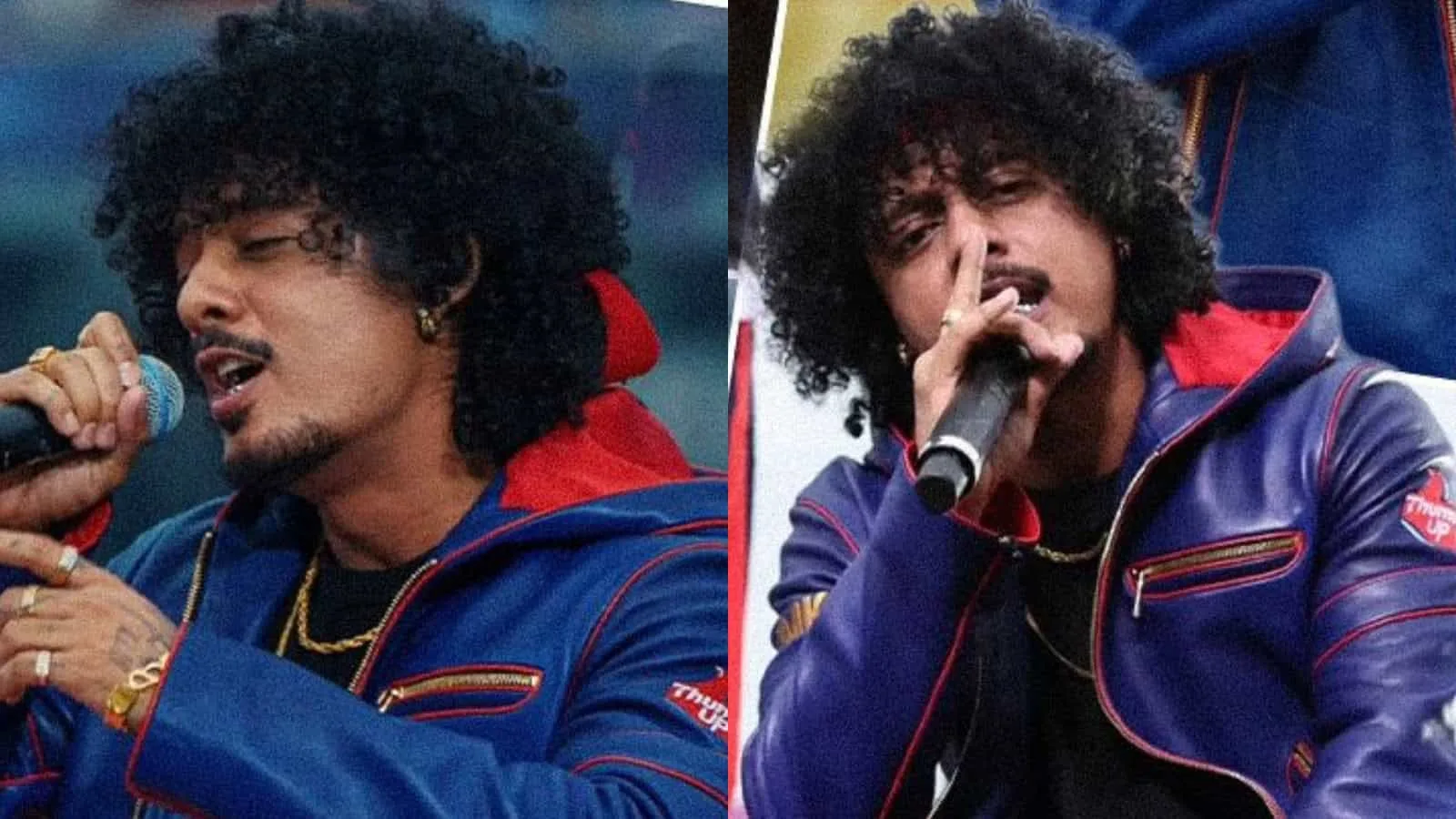
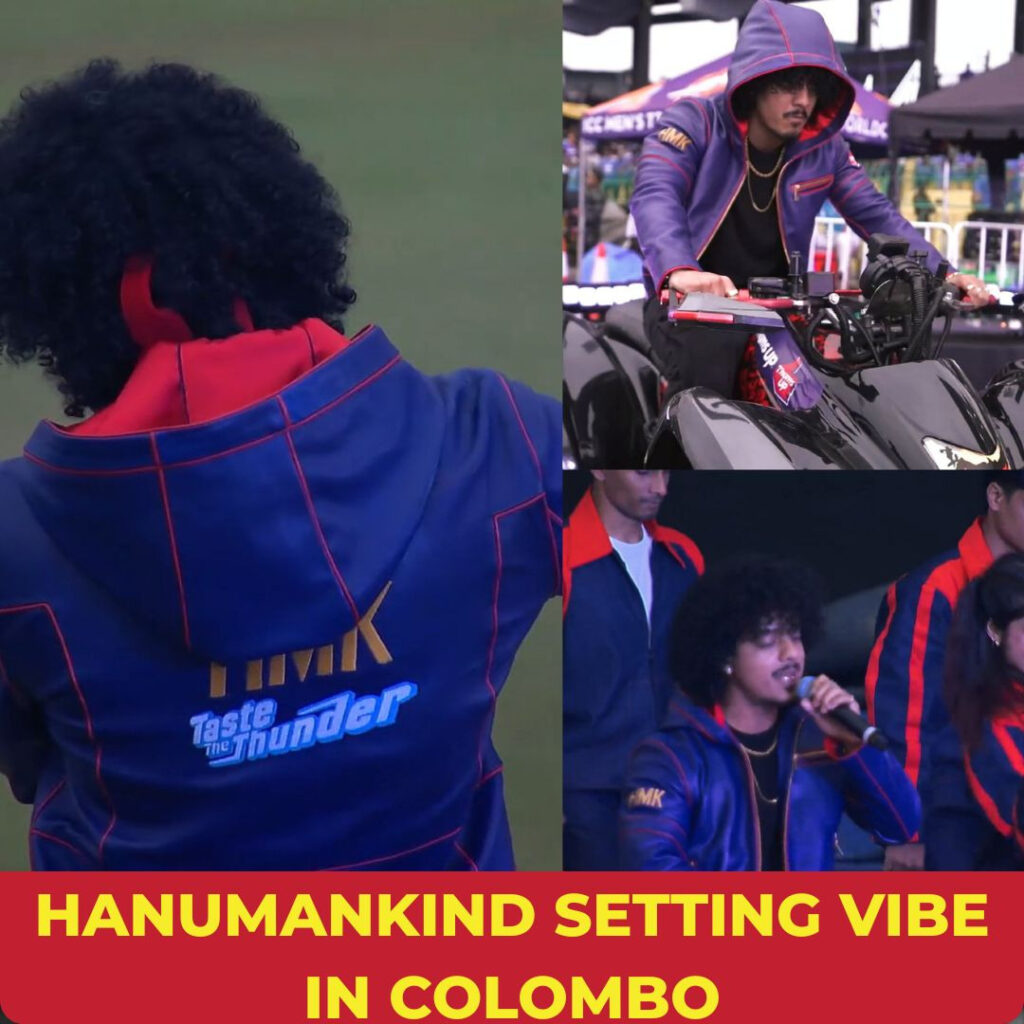
Mumbai: Indian rapper Hanumankind grabbed nationwide attention after his high-energy performance at the ICC T20 World Cup 2026 clash between India and Pakistan in Colombo on Sunday. While the stadium erupted during his act, it was not the beats or choreography that dominated social media conversations, but the song he reportedly chose not to perform.
Hanumankind performed his global hit Big Dawgs with a troupe of dancers during the pre-match ceremony. However, fans were quick to notice that he did not include the title track from his Bollywood debut film Dhurandhar in his setlist. The omission soon became a talking point on social media, pushing the rapper to the top of Google trends.
Who Is Hanumankind?
Born as Sooraj Cherukat, 34, in Kerala, the singer-rapper shot to global fame with his viral 2024 track Big Dawgs, which crossed hundreds of millions of views on YouTube and found a place on the Billboard Global 200 chart. Known for blending Indian sounds with international hip-hop influences, he has built a loyal fan base across platforms like TikTok and YouTube.
Bollywood Breakthrough
In 2025, the artist made his Bollywood singing debut with the film Dhurandhar. He collaborated with several noted singers for the track Na De Dil Pardesi Nu (Jogi), which introduced him to a wider mainstream audience beyond the independent music circuit.
How much did he charge for the world cup show?
According to industry estimates from international talent booking portals, Hanumankind’s concert and special appearance fee reportedly ranges between Rs 67.8 lakh and Rs 1.36 crore, depending on the scale and audience. Given the global platform of an ICC event, insiders suggest his remuneration for the Colombo performance likely fell within this bracket.
Why Hanumankind skipped the ‘Dhurandhar’ track?
The much-anticipated India–Pakistan match was held at R Premadasa Stadium, packed with thousands of fans from both nations. While Big Dawgs drew massive cheers, Hanumankind notably avoided performing the Dhurandhar title track. Reports indicate the decision may have been influenced by the sensitive cross-border atmosphere, with organisers keen to avoid any emotionally charged moment that could heighten tensions between rival supporters.