
Hyderabad: Young adults in Hyderabad who frequently consume ultra-processed foods high in fat and salt are nearly three times more likely to develop elevated blood pressure, according to a new study by the Indian Council of Medical Research–National Institute of Nutrition (ICMR-NIN).
The study, published in the international journal Nutrients, examined 311 undergraduate students aged 18 to 24 from three colleges in Hyderabad.
Researchers found that 12.5 percent of participants already had high blood pressure levels of 140/90 mmHg or above, indicating growing cardiovascular health risks among urban youth.
After adjusting for age, sex and socioeconomic factors, researchers found that students who frequently consumed high-fat and high-salt ultra-processed foods (UPFs) had 2.85 times higher odds of elevated blood pressure compared to those with lower intake.
Packaged snacks among most consumed foods
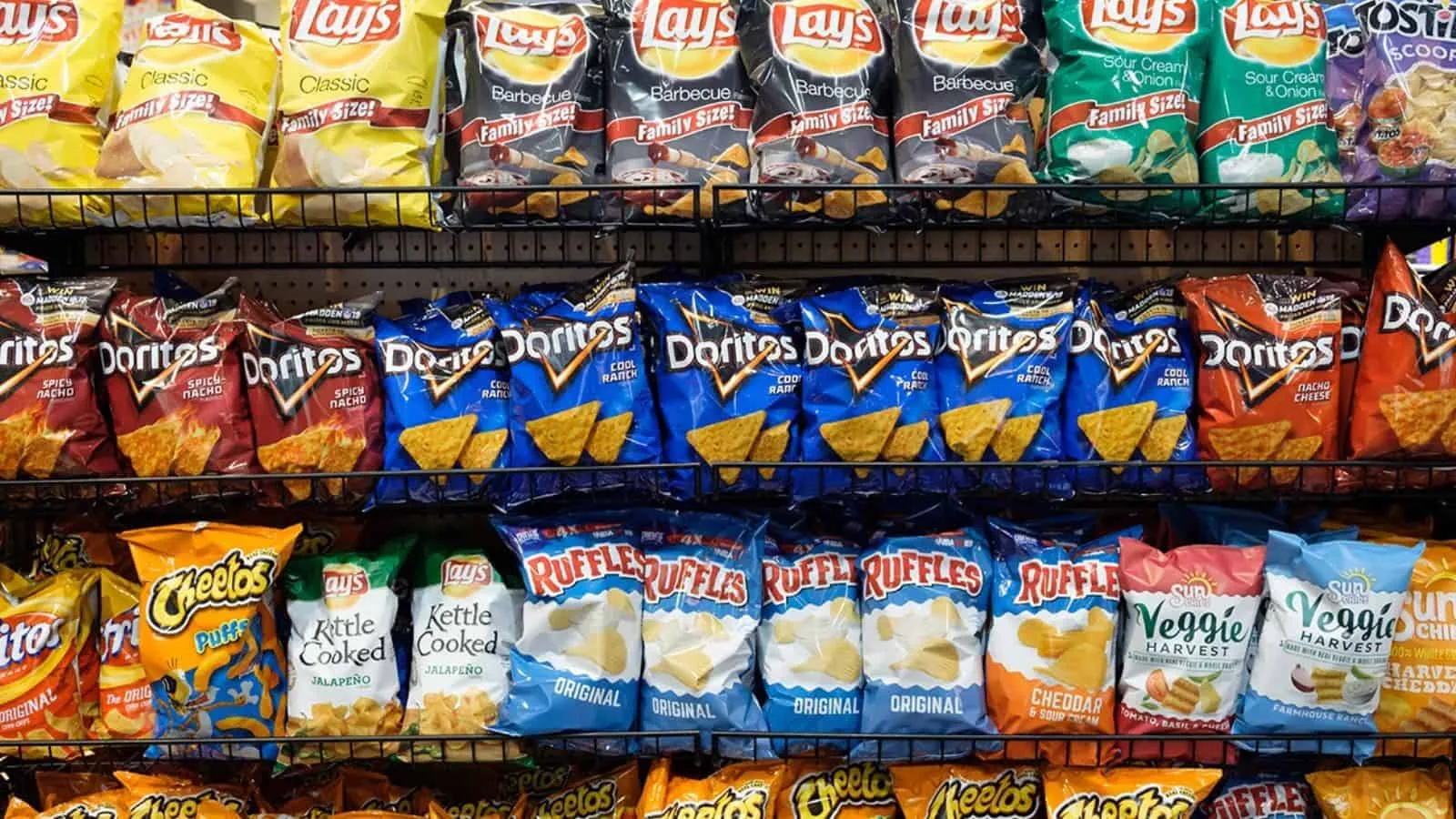
The study found that biscuits, chocolates and packaged savoury snacks were among the most frequently consumed ultra-processed foods, with many students eating them several times a week or daily. Bread products, breakfast cereals, sugary beverages, pastries and instant foods were also commonly consumed.
Researchers noted that ultra-processed foods are becoming increasingly integrated into the diets of urban young adults due to rapid urbanisation, changing food environments and the growing availability of packaged foods.
The paper described these products as industrial formulations high in sodium, sugar and unhealthy fats, often containing additives designed to improve taste and shelf life.
Students cited taste, easy availability, convenience and low cost as the most common reasons for consuming ultra-processed foods. The study observed that combinations of convenience, accessibility and advertising exposure were linked to higher levels of consumption.
Men and older students showed higher prevalence
The research found that elevated blood pressure was more common among male students and participants above the age of 20.
Among participants older than 20 years, 19.2 percent were found to have stage 2 hypertension, compared to 9.4 percent among those aged below 20. Male participants showed significantly higher blood pressure levels than females, with 17.7% of male students falling under stage 2 hypertension.
The study also found that students from higher-income households had higher odds of elevated blood pressure compared to those from lower-income families. Researchers said this may reflect lifestyle-related changes associated with urban living and increased dependence on packaged foods.
Researchers call for preventive action
The paper highlighted that India is undergoing a major “nutrition transition”, with traditional diets increasingly being replaced by energy-dense processed foods among young adults.
Researchers warned that such dietary patterns may contribute to long-term cardiovascular risks and early-onset hypertension.
The study recommended improving food environments in and around educational institutions, increasing access to healthier food options and promoting nutrition awareness among students and families.
Researchers also suggested that broader public health measures — including reducing the availability of high-salt packaged foods and encouraging healthier dietary choices — may help lower future cardiovascular risks among urban youth.